Skip to Content

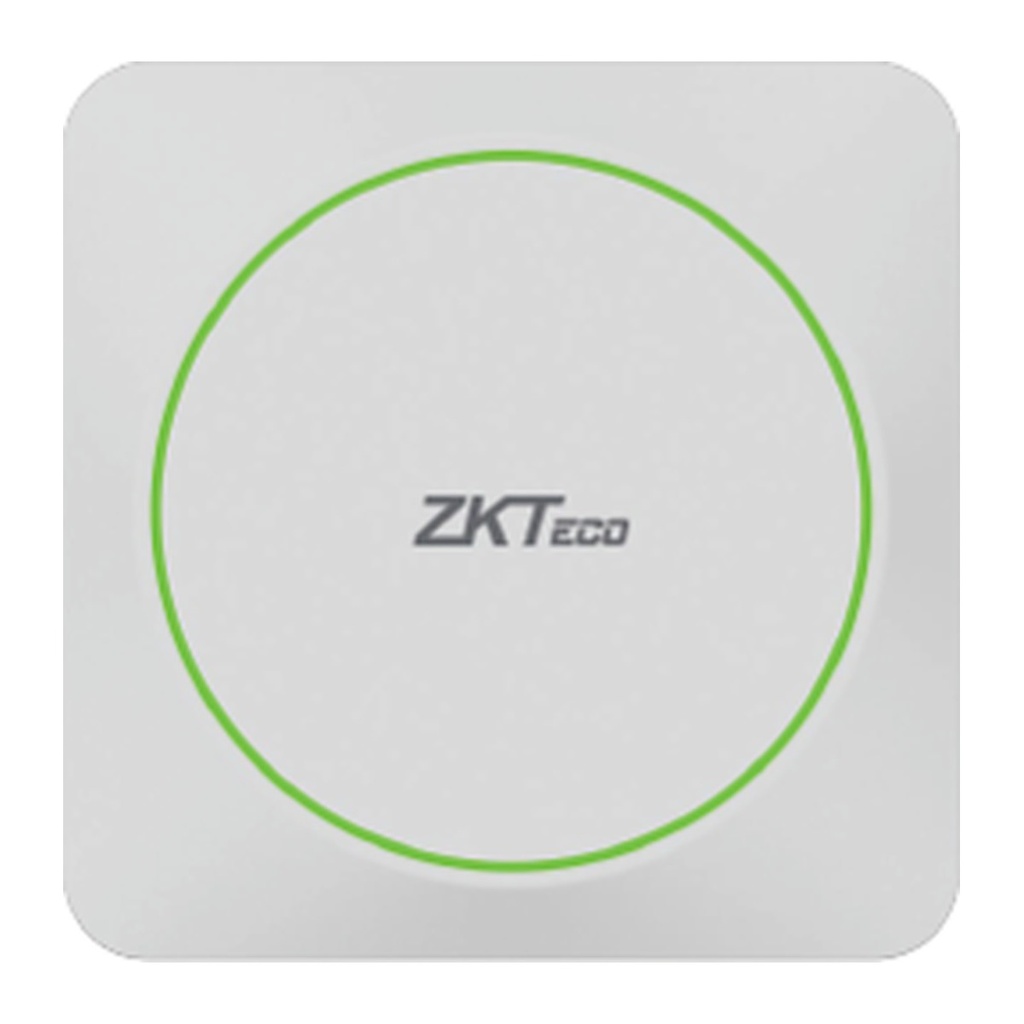
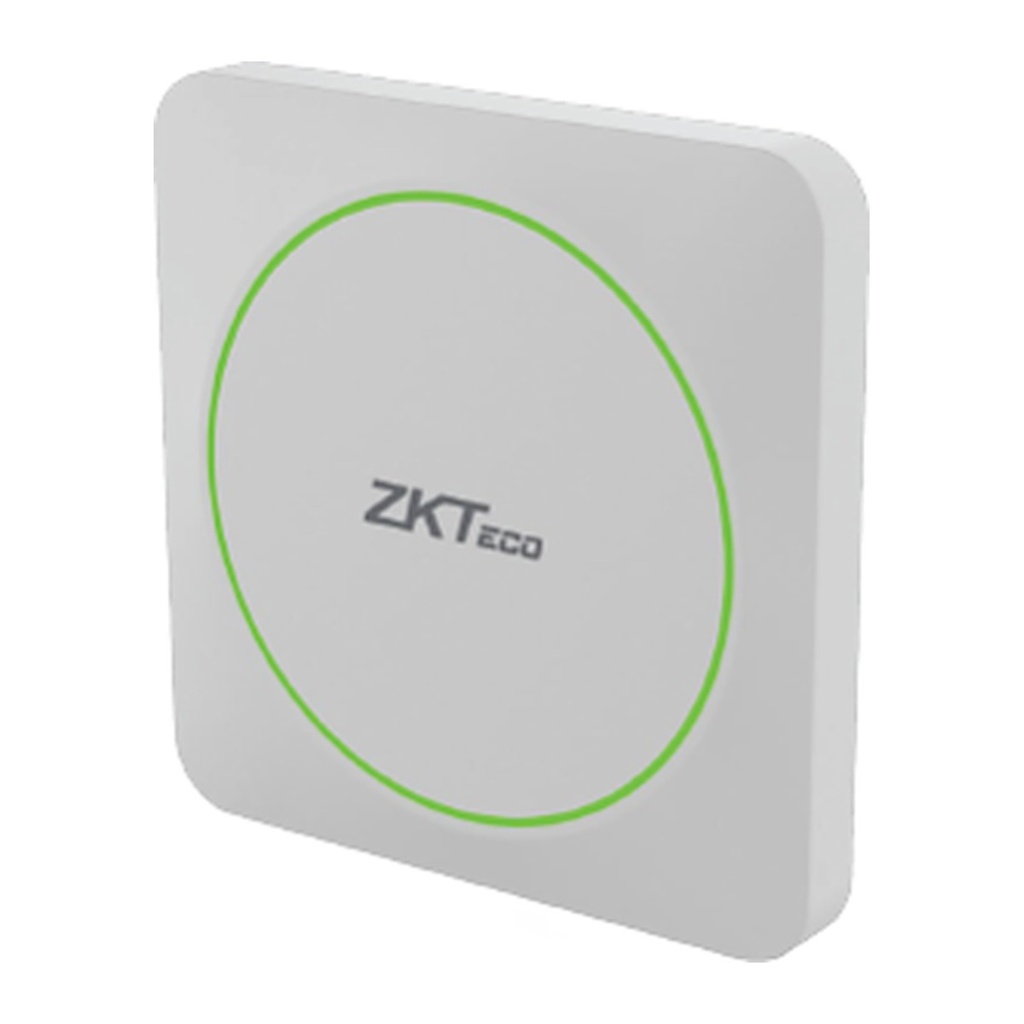
ZKTeco U1000 Series UHF Long Range RFID Reader, Up to 9 m, IP66, TCP/IP, Access Control

  • Long reading distance UHF reader (0–9 m, stable 0–5 m)
  • IP66 protection level
  • Web-based offline configuration
  • Built-in access control function
  • RGB indicator light
  • 100,000 card list capacity
  • Integrates with C3 Pro series access control panels
  • Free SDK for secondary development
Price
⃁ 1,466.67 ⃁ 1,466.67 ⃁ 1,833.34
(Tax excluded)
  • Delivery within 2–5 business days across Saudi Arabia
  • Warranty according to the manufacturer
  • Tax invoice with every order
  • Technical support before and after purchase

Not sure this model fits your setup? Read the buying guide

Technical Specifications – U1000 Series

ModelU1000E Pro U1000F Pro
Card Capacity100000 cards
Log Capacity10,000 Transactions
Hardware PlatformZMM220
Working Frequency865MHz-868MHz 902MHz-926MHz
Reading Distance0 - 9m (Stable is 0 - 5m)
CommunicationTCP/IP
Access Control InterfaceWiegand In, RS485, 3rd Party Electric Lock, Door Sensor, Exit Button, Alarm
Access Control FunctionsStandard Access Functions, Anti-passback
Antenna Gain9dBi
Output Power10dBm-30dBm
Maximum Power Consumption<2W
Protection LevelIP66
Support SoftwareARMATURA ONE, ZKBio CVSecurity
Working VoltageDC 9V - 12V
Working Current150mA (Always Reading )
Working Temperature-20°~ +60°C
Working Humidity<95% (25°C)

Source: ZKTeco official website. Specifications are subject to change by the manufacturer.

PRACTICAL ANSWERS

Access and attendance questions

Are attendance recording and door access the same requirement?

Describe them separately: recording attendance events and authorizing passage through a door can involve different devices and workflows. Confirm which functions are included in the proposed model and software, and how each will be tested.

What details are needed to select a door access system?

Provide the door types, number of users, access schedules and identification methods you need. Ask a qualified installer to check compatible locking and exit arrangements for the site, including the required emergency behavior.

Can attendance data be linked to another business system?

Check whether the exact device and software provide a supported export or integration interface. Define employee identifiers, event formats and the synchronization schedule, then test a sample before agreeing that an integration is complete.

How should user permissions be managed?

Define who can add users, change schedules, review records and administer the system. Use separate authorized accounts and document the process for employee changes and access removal rather than relying on a shared administrator account.

What happens when power or the network is interrupted?

The behavior depends on the devices, locking arrangement and configuration. Ask for the documented behavior of the proposed setup and an agreed interruption test, including record recovery and any backup-power requirement.

What should I review before collecting attendance or access records?

Define the purpose, authorized users and appropriate retention process for your organization. Review the applicable requirements with your responsible team, and do not assume that a device’s available features authorize every possible use.