
Skip to Content
  • Delivery in 4–10 working days across Saudi Arabia
  • A tax invoice with every order
  • Technical support before and after you buy

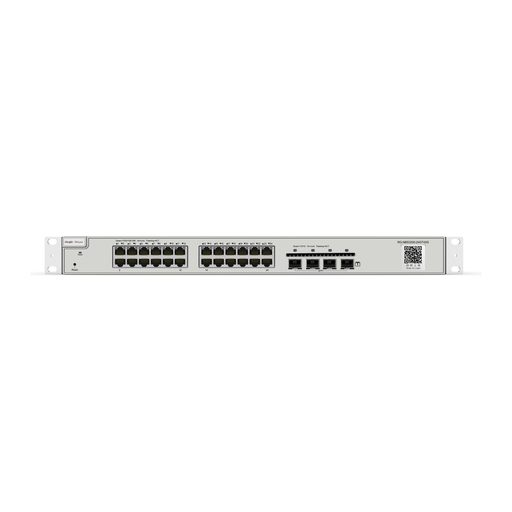
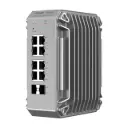
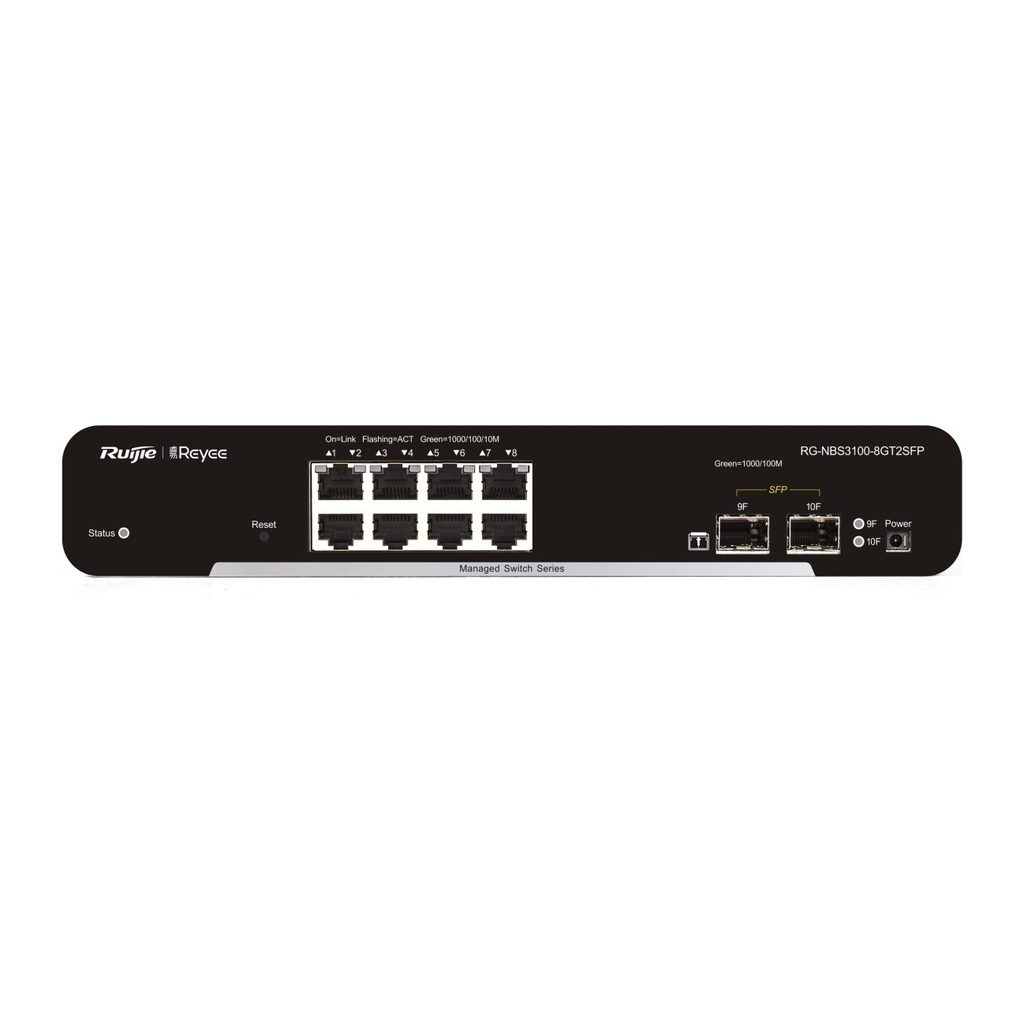
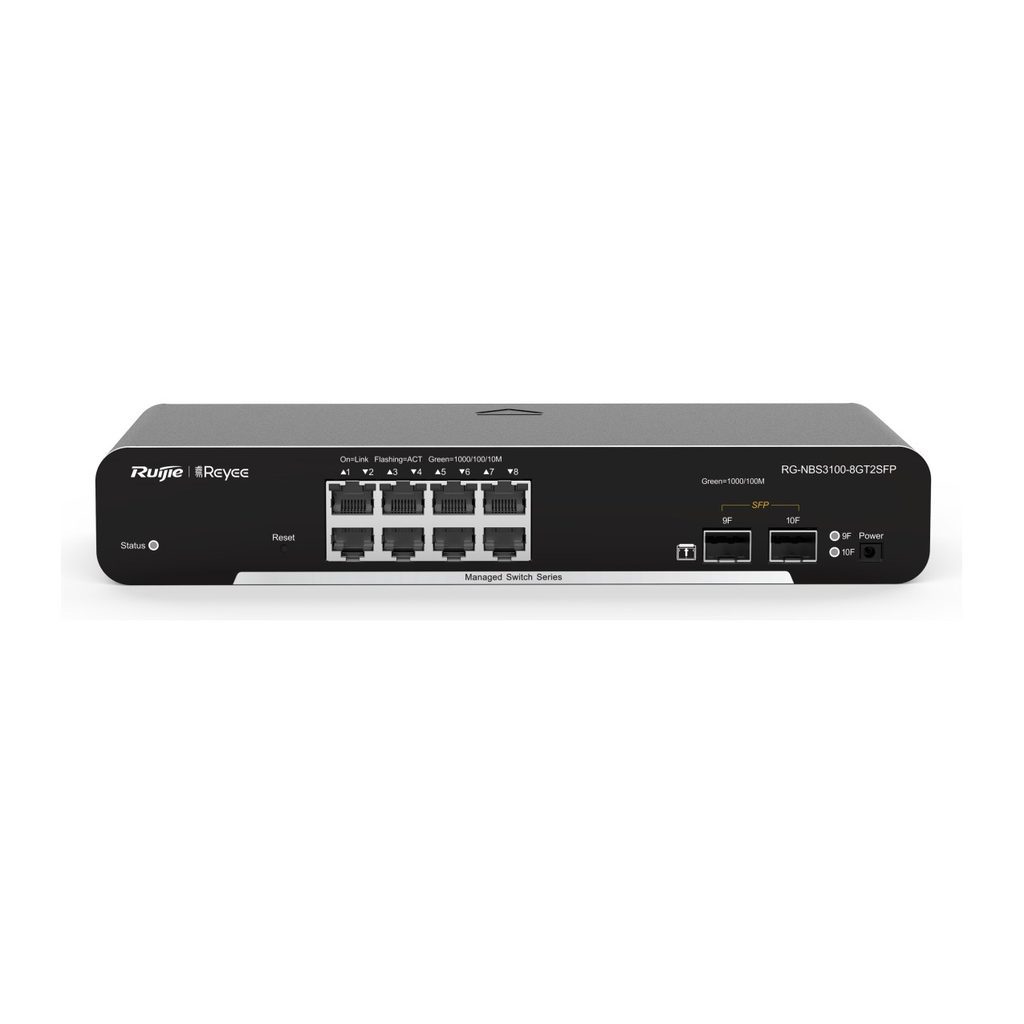
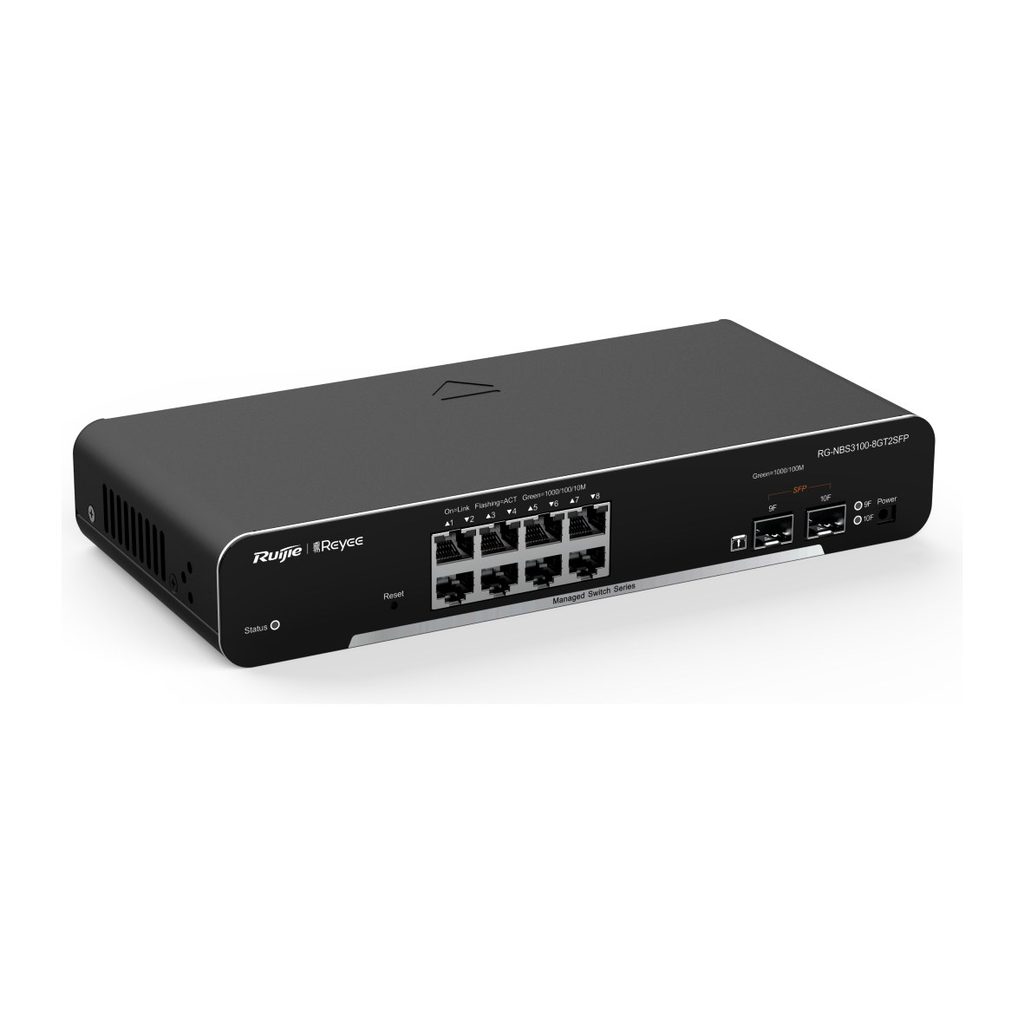
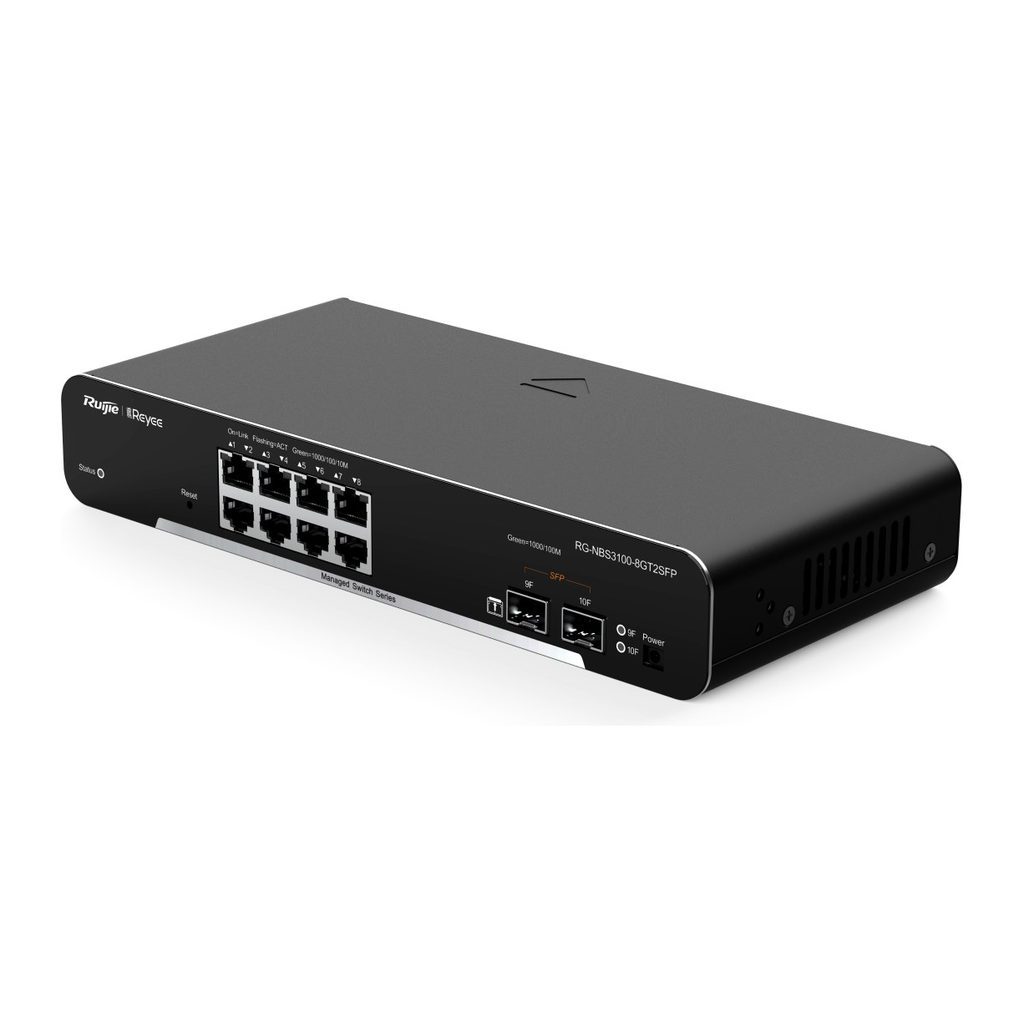
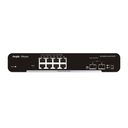
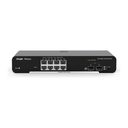
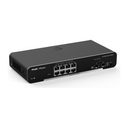
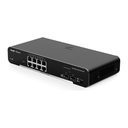
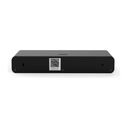
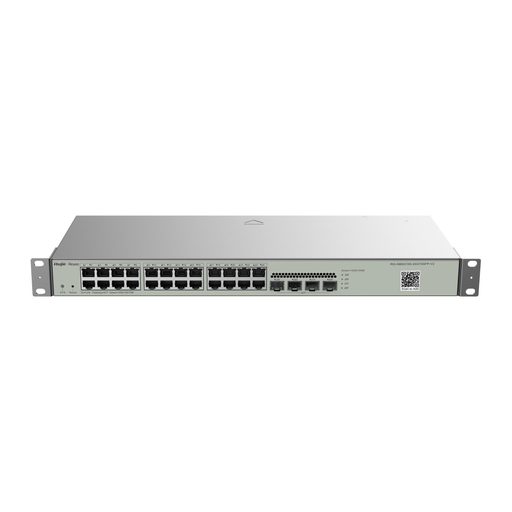
Reyee RG-NBS3100-8GT2SFP 10-Port Gigabit L2 Cloud Managed Non-PoE Switch, 2 SFP

Part number RG-NBS3100-8GT2SFP
  • 10-port Gigabit Layer 2 managed non-PoE switch: 8 x Gigabit RJ45 ports and 2 x 1GE SFP uplinks
  • Enterprise-class quality: link aggregation (LACP), IGMP snooping, VLAN and STP/RSTP/MSTP
  • Multiple security policies: ACL, 802.1X, DHCP snooping, ARP anti-spoofing and IP source guard
  • IP Camera recognition, unique value for CCTV networks
  • Fanless design with natural cooling
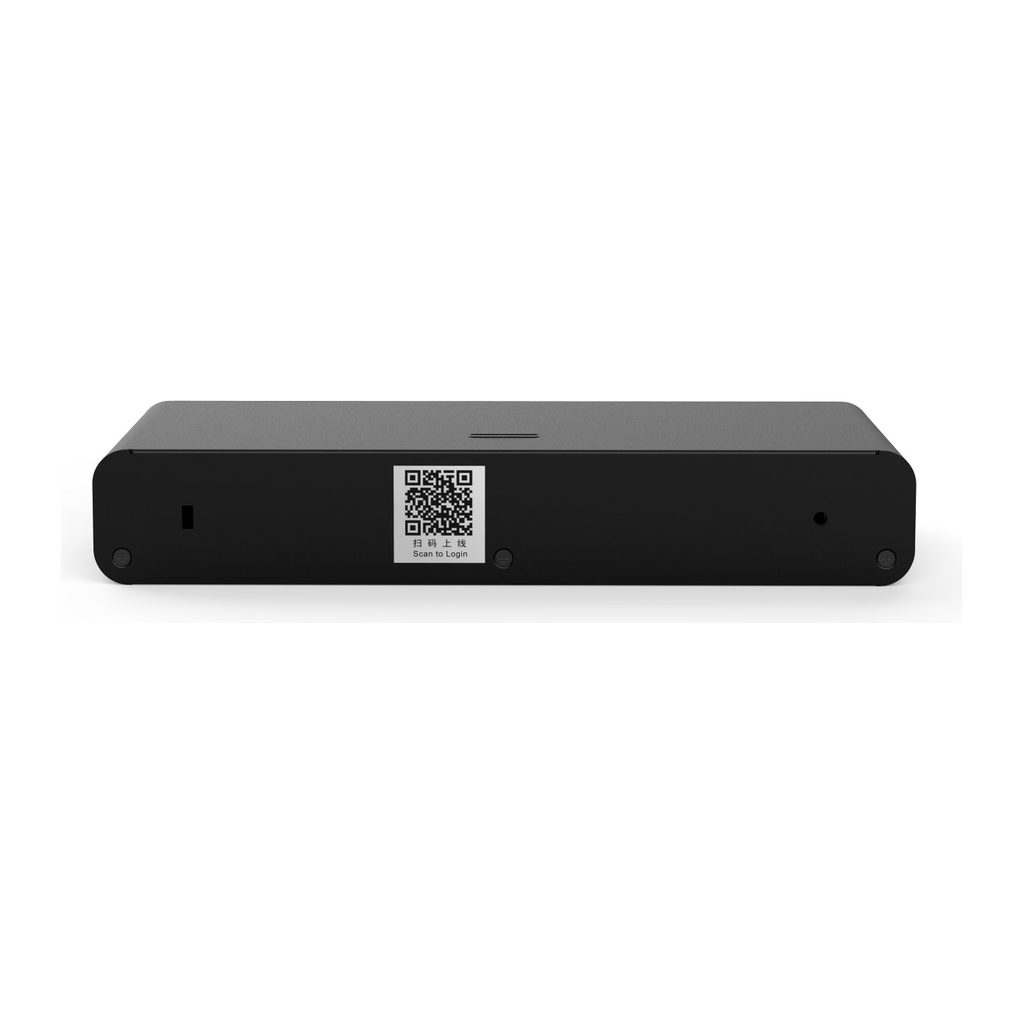
  • SON zero-touch provisioning and lifetime management on Ruijie Cloud, eWeb and Ruijie Reyee App
  • 5-year warranty
Price
⃁ 682.61 ⃁ 682.61 ⃁ 888.81 Save 23%
⃁ 682.61 ⃁ 888.81
(Tax excluded)
  • Delivery within 4–10 business days across Saudi Arabia
  • Warranty according to the manufacturer
  • Tax invoice with every order
  • Technical support before and after purchase

Not sure this model fits your setup? Read the buying guide
Overview of Reyee RG-NBS3100-8GT2SFP

The Ruijie Reyee RG-NBS3100-8GT2SFP is a compact 10-port Gigabit Layer 2 cloud-managed non-PoE switch with eight Gigabit RJ45 ports and two 1GE SFP uplinks. It is well suited to small offices, clinics, shops, villas and branch sites that need managed features in a small footprint. It supports LACP link aggregation, IGMP snooping, 4094 VLANs, MSTP and ERPS, and protects the network with ACL, 802.1X, DHCP snooping, ARP anti-spoofing and IP source guard. IP camera recognition helps in CCTV setups. Powered by a 12 V DC adapter with a fanless design, it runs silently, and SON zero-touch provisioning with lifetime Ruijie Cloud management keeps maintenance simple. Backed by a 5-year warranty.

Technical Specifications – Reyee RG-NBS3100-8GT2SFP

Product Information

Product CategoryLayer 2
Warranty5 years

Port Specifications

Total number of RJ45 ports8
Total number of optical ports2
Number of 1GE SFP ports2
Number of 10/100/1000BASE-T ports8

Power Supply and Consumption

Power inputDC adapter: Rated input voltage: 100 V AC to 240 V AC, 50/60 Hz; Maximum input voltage: 90 V AC to 264 V AC, 47 Hz to 63 Hz; Rated input current: 1.0 A; Output: Rated output voltage: 12 V DC; Maximum output current: 1.0 A
Maximum power consumption8W
Power supplyDC power adapter

System Specifications

RAM256 MB
Flash memory16 MB
Forwarding rate14.88 Mpps
Switching capacity20 Gbps

Dimensions and Weight

Product dimensions (W x D x H)260 mm x 120 mm x 43.6 mm (10.24 in. x 4.72 in. x 1.72 in.)
Weight1.2 kg (2.65 lbs) (without packaging materials)

Environment and Reliability

FanFanless design
CoolingNatural cooling
Mounting optionsRack
MTBF400,000 hours
Operating temperature0°C to +50°C (32°F to 122°F)
Storage temperature–40°C to +70°C (–40°F to +158°F)
Operating humidity10% RH to 90% RH (non-condensing)
Surge protectionService port: ±6 kV for common mode; Power connector: ±4 kV for common mode and ±2 kV for differential mode

Certification and Regulatory Compliance

CertificationCE, FCC
Safety complianceIEC 62368-1

Authentication

802.1X authenticationYes
RADIUSYes

Ethernet Switching

Maximum number of VLANs4094
Maximum number of MAC address entries8000
Voice VLANYes
MSTP (IEEE 802.1s)Yes
LACPYes

Interface

Jumbo frame length (MTU)9216 bytes (global configuration mode)

Multicast

Basic IGMPv3 snoopingYes

Network Management and Monitoring

Camera detectionYes
Ruijie Cloud managementYes
SNMPv1, v2c, and v3Yes

Reliability

ERPSYes

Security

Maximum number of ACEsNumber of ACEs in the inbound direction of an interface: 1200; Number of ACEs in the outbound direction of an interface: 0
DHCP snoopingYes
ARP anti-spoofingYes
IP source guardYes

System Performance Capacity

Recommended camera limit200 W H265: 80; 400 W H265: 40

Source: Ruijie Reyee official website and datasheet. Specifications are subject to change by the manufacturer.

PRACTICAL ANSWERS

Network planning questions

Should I choose a router, a switch or an access point?

Start with the task: connecting networks, adding wired device ports, or providing wireless coverage. A single installation may need more than one device type. Share a site diagram and device list so the proposed roles and connections are clear.

Why is wireless coverage weak in some rooms?

Check the access point location, building layout, obstacles and the number of active devices. Measure coverage where people actually work before choosing extra equipment; changing the internet package alone may not address a coverage problem.

How do I select a switch for powered network devices?

List the devices to be connected and check each device’s power requirements against the switch’s per-port capability and total documented power budget. Also review uplink capacity and reserve ports for the expansion you actually expect.

Can the guest network be separated from business devices?

Define which devices and services guests should be able to reach, then check whether the router, switch and access points support the required separation. Test the resulting access rules; a different wireless network name alone is not the acceptance test.

What information helps plan a network upgrade?

Provide floor plans, current equipment models, internet connections, cabling details and peak device counts. Describe the applications that matter most and the observed problem, such as disconnections or slow local file access.

How should network performance be checked after installation?

Agree on the locations and representative workloads to test, then record wired and wireless results separately. Check connectivity, coverage and access rules during normal use, and retain a diagram and configuration backup for support.