

Skip to Content
  • Delivery in 4–10 working days across Saudi Arabia
  • A tax invoice with every order
  • Technical support before and after you buy

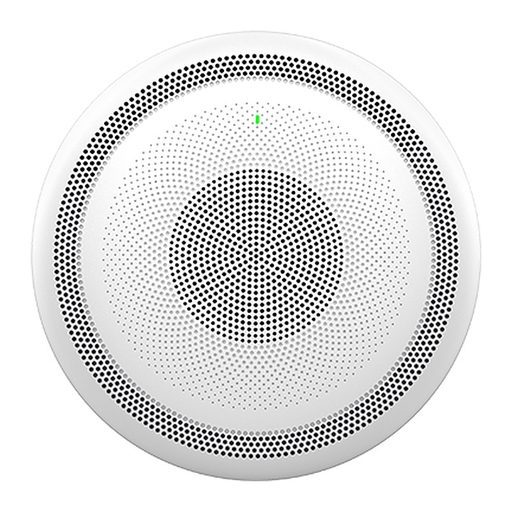
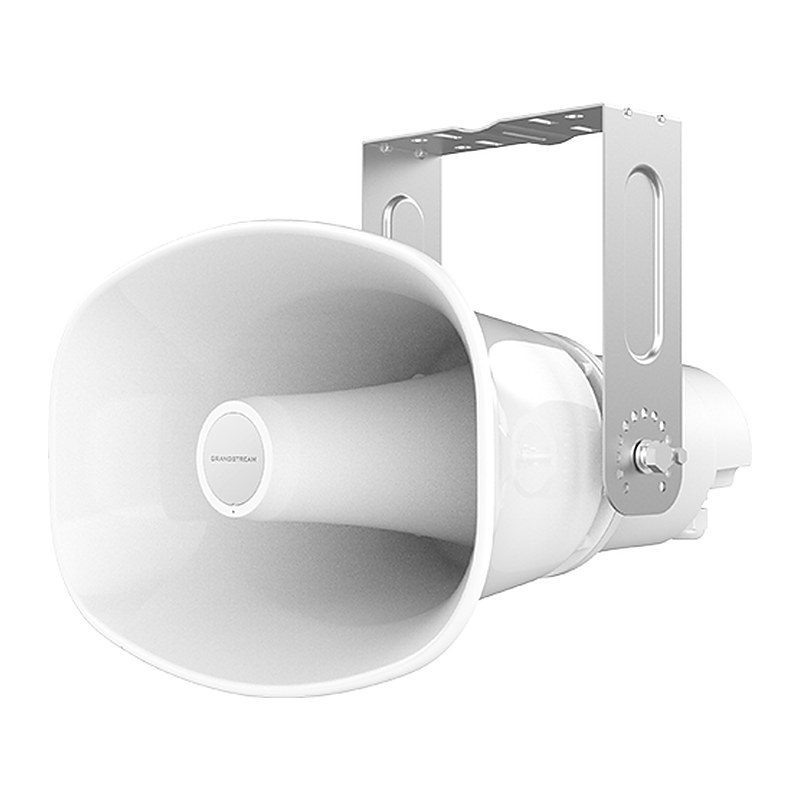
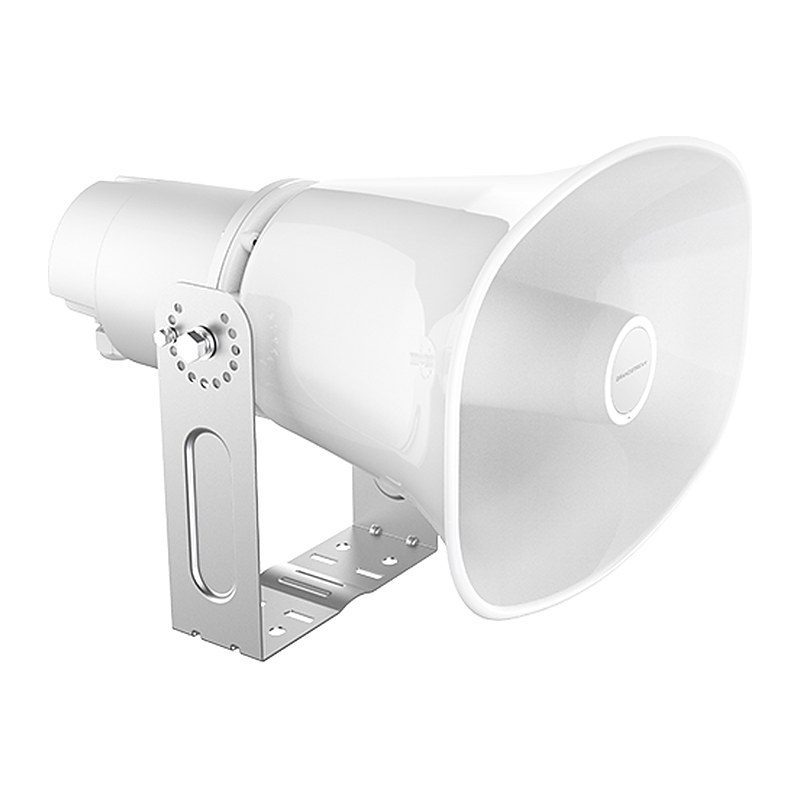
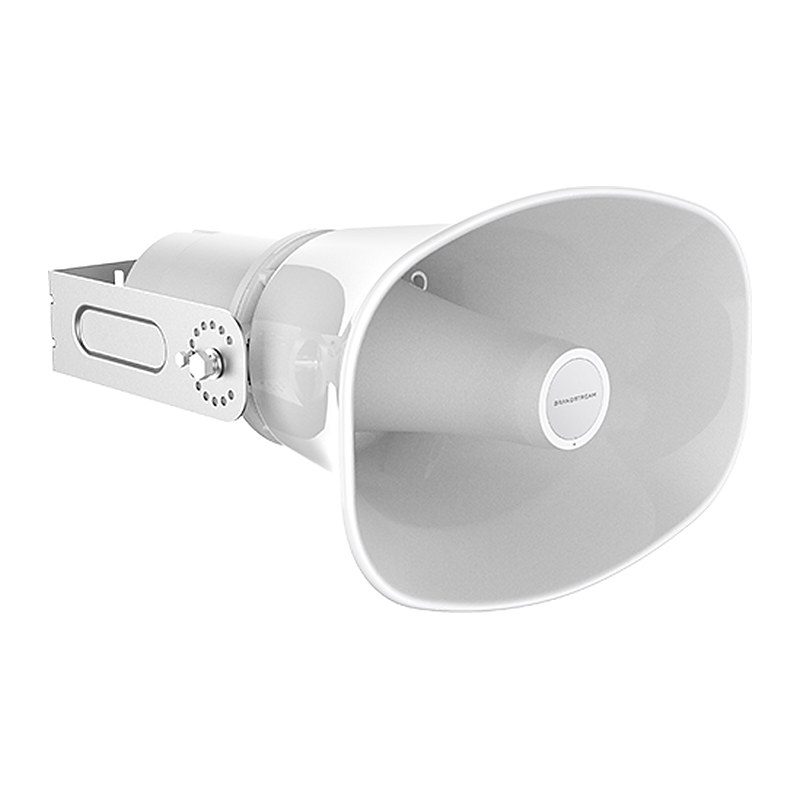
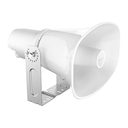
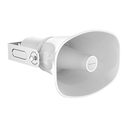
Grandstream GSC3518HS SIP Talk-Back Horn Speaker, 50W, 3 Mics, IP66, PoE++ In/PoE+ Out

Part number GSC3518HS
  • High-powered 50W speaker with maximum volume of 126 dBA, ideal for coverage of expansive outdoor areas
  • 3 microphones, AI-based background noise reduction, and intelligent text-to-speech for clear talk-back
  • Full-band and wide-band audio codec support, including Opus & G.722
  • Includes differential LINE IN and LINE OUT connections
  • Supports Airplay, ONVIF, RTSP/HTTP streaming, local audio files, and mobile app playback
  • SIP paging, multicast paging, call waiting with priority override, and more
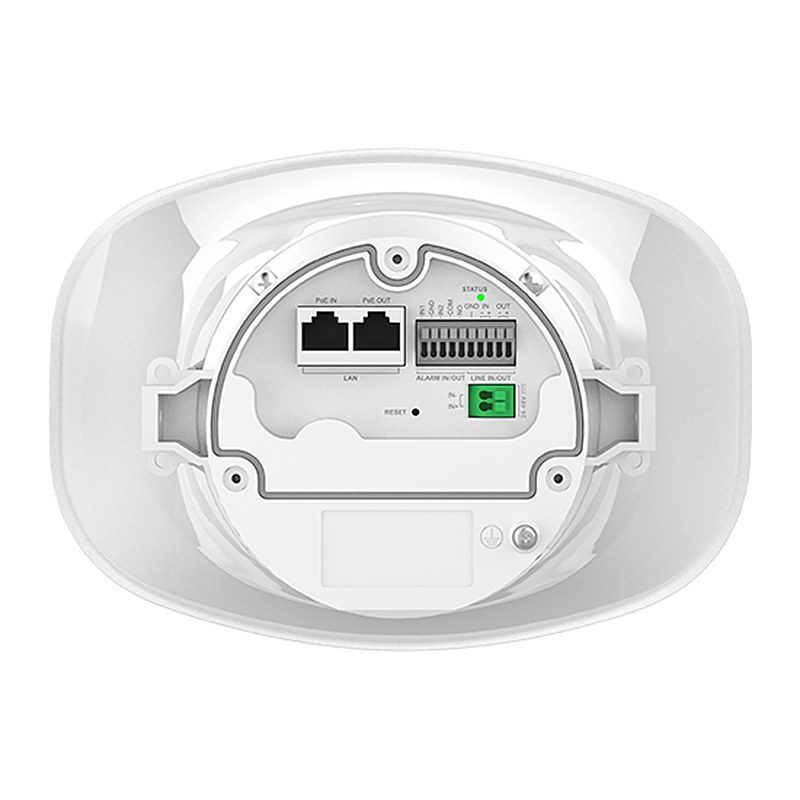
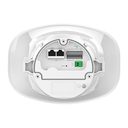
  • One 10/100Mbps network port with PoE/PoE+/PoE++ input, and one 10/100Mbps network port with PoE/PoE+ output
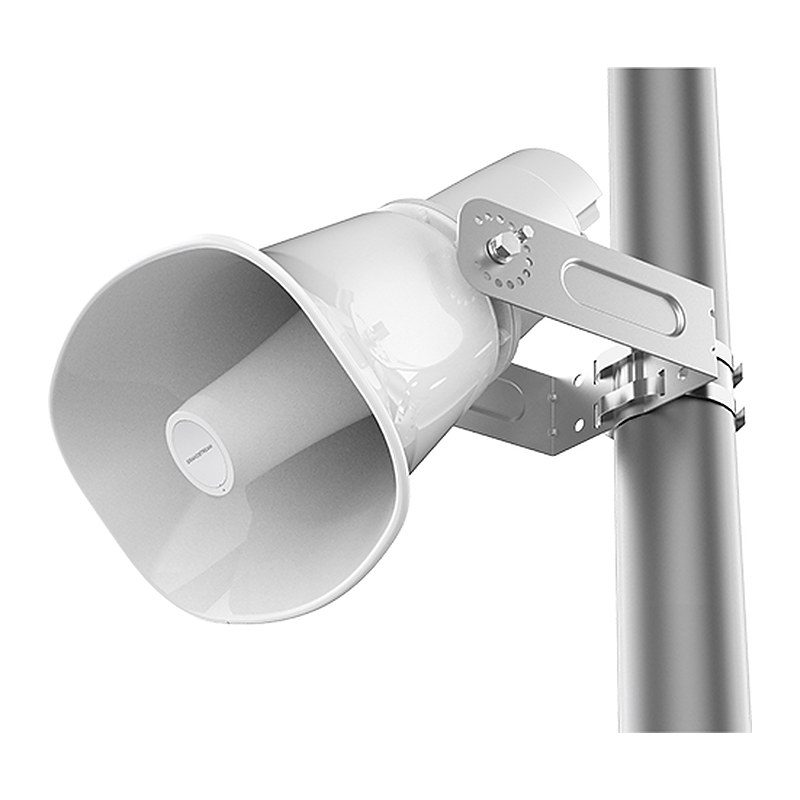
  • IP66-rated waterproof and dustproof; durable PC + ABS material and stainless steel bracket for harsh outdoor environments
Price
⃁ 1,181.26 ⃁ 1,181.26 ⃁ 1,538.10 Save 23%
⃁ 1,181.26 ⃁ 1,538.10
(Tax excluded)
  • Delivery within 4–10 business days across Saudi Arabia
  • Warranty according to the manufacturer
  • Tax invoice with every order
  • Technical support before and after purchase

Not sure this model fits your setup? Read the buying guide
Overview of Grandstream GSC3518HS

The Grandstream GSC3518HS is a SIP/multicast talk-back horn speaker that provides crystal clear HD audio, a high-fidelity 50-watt speaker and IP66-rated water and dust protection. It delivers a powerful outdoor announcement solution with 3 microphones, AI-based background noise reduction and intelligent text-to-speech, so every word is heard clearly in talk-back scenarios. PoE++ input and PoE+ output support device cascading, while Airplay, ONVIF and RTSP/HTTP streaming add flexible playback. It is ideal for outdoor campuses, school playgrounds, warehouses, factories, hospitals, parks, ports, markets and other large indoor and outdoor venues in demanding climates.

Technical Specifications – Grandstream GSC3518HS

Software

Protocols/StandardsSIP RFC3261, TCP/IP/UDP, RTP/RTCP, RTCP-XR, HTTP/HTTPS, ARP, ICMP, DNS (A record, SRV, NAPTR), DHCP, PPPoE, SSH, TFTP, NTP, STUN, LLDP-MED, SIMPLE, LDAP, TR-069, 802.1x, TLS, SRTP, IPv6, OpenVPN
Voice Codecs and CapabilitiesG.711µ/a, G.722 (wide-band), G.726-32, iLBC, Opus, G.723, G.729A/B, in-band and out-of-band DTMF (In audio, RFC2833, SIP INFO), VAD, CNG, PLC, AJB, AGC, ANS
Telephony FeaturesSIP Paging, Multicast Paging, Group Paging, Push-to-Talk (PTT), call-waiting with priority override
QoSLayer 2 QoS (802.1Q, 802.1p) and Layer 3 (ToS, DiffServ, MPLS) QoS
SecurityUser and administrator level passwords, 256-bit AES encrypted configuration file, TLS, SRTP, HTTPS, 802.1x media access control, secure boot
Multi-languageEnglish, German, French, Spanish, Portuguese, Russian, and Chinese
Upgrade/ProvisioningFirmware upgrade via TFTP, HTTP, HTTPS, or local HTTP upload, mass provisioning using GDMS, TR069, or AES encrypted XML configuration file

Hardware

Network Interfaces1x 10/100 Mbps port with integrated PoE/PoE+/PoE++ input; 1x 10/100 Mbps port with integrated PoE/PoE+ output
Auxiliary Port2x 2-pin Switch-in input ports, 1x 2-pin Switch-out output port, 1x differential line in port, 1x differential line out port, 2x network ports, 1x DC24V-48V port, reset
Speaker50W high-fidelity speaker; Frequency: 270Hz-13.2KHz; Sensitivity: Up to 109 dBA at 1m/1W (1 kHz)
Max SPLUp to 126dBA
Microphone3 Built-in microphones with 26.25 feet (8m) pickup distance, AI noise reduction, intelligent TTS support
Power & Green Energy EfficiencyPoE++ Input, complies with IEEE 802.3bt standard, Class 8, Max power 71 Watt, Max Input voltage 57V; PoE+ Output, complies with IEEE 802.3at standard, Class 4, Max power 25 Watt; DC IN 24V/4A - 48V/2A

General

Ingress ProtectionIP66-rated, waterproof cable gland
Installation TypeWall Mount, Pole Mount
Temperature and HumidityOperation: -30°C to +60°C; Storage: -40°C to +60°C; Humidity: 10% to 90% Non-condensing
Package ContentGSC3518HS Horn Speaker, mounting kit, quick installation guide
Dimensions324.6mm (L) x 285.3mm (W) x 204.3mm (H)
WeightUnit Weight: 2.870kg (with mounting kits); Package Weight: 3.913kg
MaterialPC + ABS (Polycarbonate-Acrylonitrile Butadiene Styrene), Aluminum back cover, Stainless steel mounting bracket
ComplianceFCC, IC, CE, RCM

Source: Grandstream official website and datasheet. Specifications are subject to change by the manufacturer.

PRACTICAL ANSWERS

Network planning questions

Should I choose a router, a switch or an access point?

Start with the task: connecting networks, adding wired device ports, or providing wireless coverage. A single installation may need more than one device type. Share a site diagram and device list so the proposed roles and connections are clear.

Why is wireless coverage weak in some rooms?

Check the access point location, building layout, obstacles and the number of active devices. Measure coverage where people actually work before choosing extra equipment; changing the internet package alone may not address a coverage problem.

How do I select a switch for powered network devices?

List the devices to be connected and check each device’s power requirements against the switch’s per-port capability and total documented power budget. Also review uplink capacity and reserve ports for the expansion you actually expect.

Can the guest network be separated from business devices?

Define which devices and services guests should be able to reach, then check whether the router, switch and access points support the required separation. Test the resulting access rules; a different wireless network name alone is not the acceptance test.

What information helps plan a network upgrade?

Provide floor plans, current equipment models, internet connections, cabling details and peak device counts. Describe the applications that matter most and the observed problem, such as disconnections or slow local file access.

How should network performance be checked after installation?

Agree on the locations and representative workloads to test, then record wired and wireless results separately. Check connectivity, coverage and access rules during normal use, and retain a diagram and configuration backup for support.