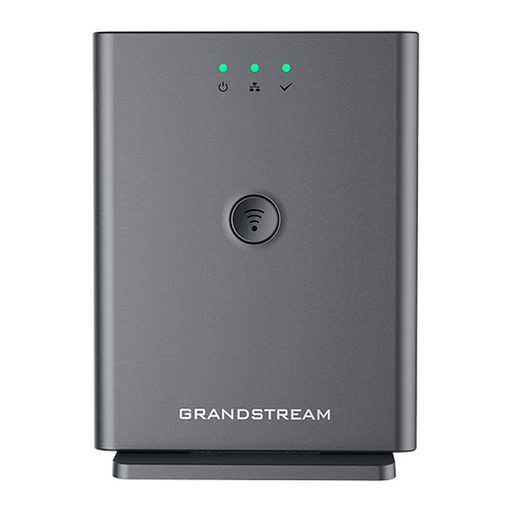
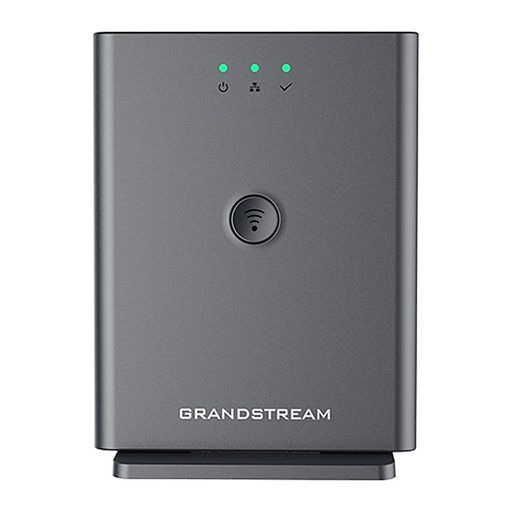
Overview of Grandstream DP760
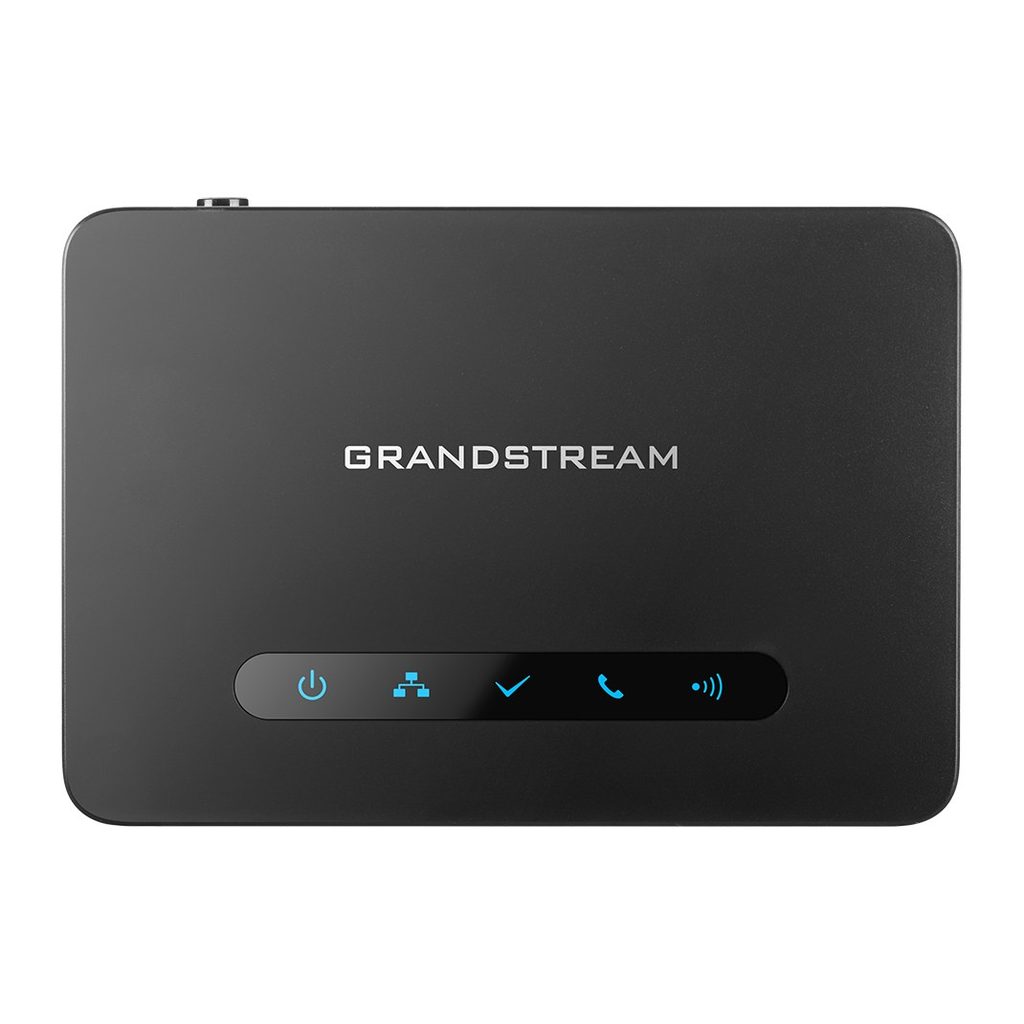
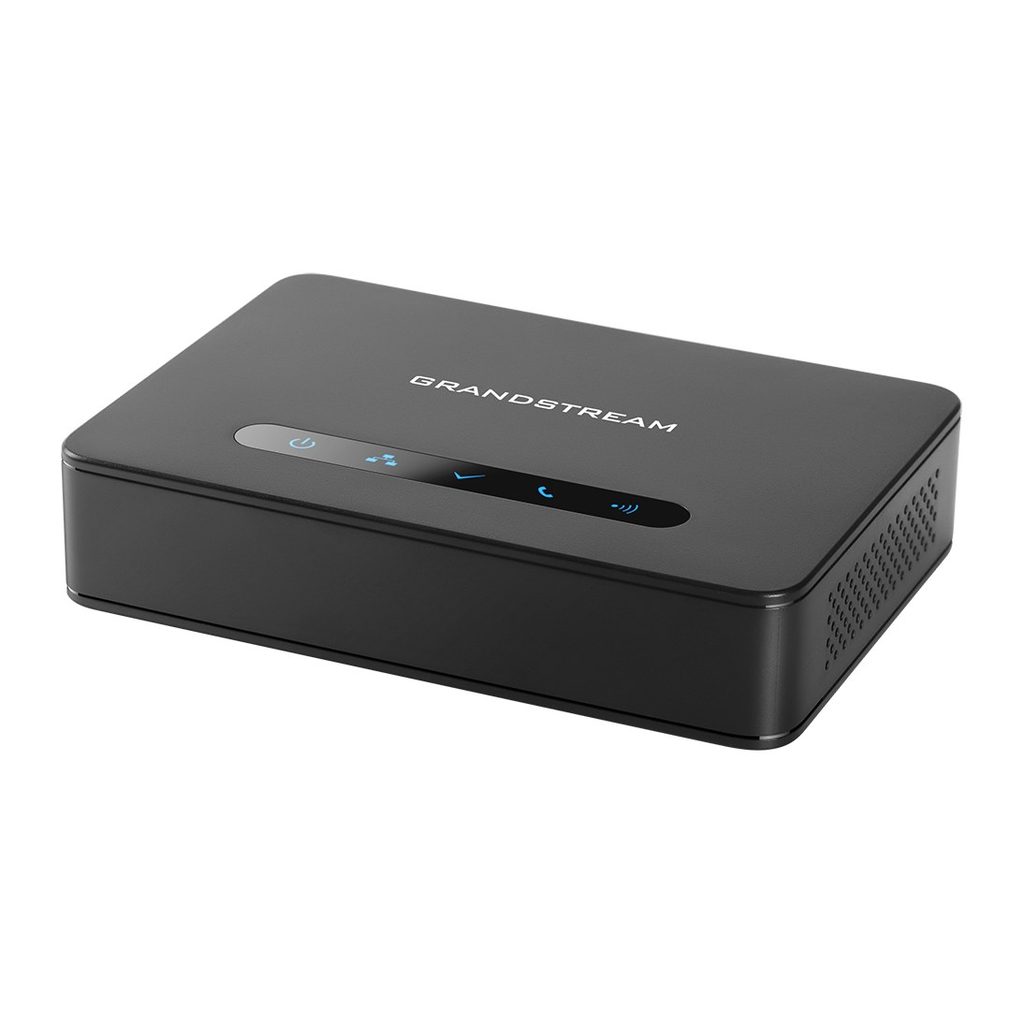
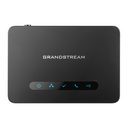
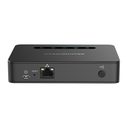
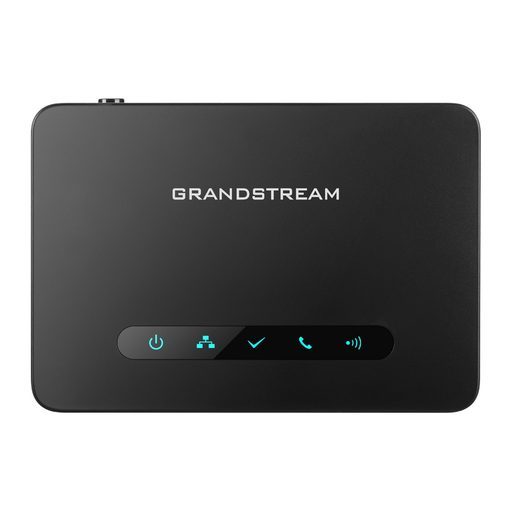
The Grandstream DP760 is a long-range wideband DECT repeater (wireless relay station) that automatically associates with Grandstream DP Series DECT base stations to extend coverage. Each repeater adds up to 300 meters of outdoor range and 50 meters indoors, relays up to 2 concurrent HD calls and supports seamless call handover, auto association and auto region detection. Up to 5 repeaters can be deployed in a star configuration. Its Ethernet port provides PoE for convenient installation as well as remote provisioning, status monitoring and firmware upgrades. It is ideal for extending DECT coverage across warehouses, hotels, villas, schools and multi-floor offices.
Technical Specifications – Grandstream DP760
Air Interface
| Telephony Standards | DECT EN 301 406:2001; DECT GAP TBR22 EN 300 444:2001; DECT WRS EN 300 700; CAT-iq TS 102 527 |
|---|
| Frequency Bands | 1880–1900 MHz (Europe), 1920–1930 MHz (US), 1910–1920 MHz (Brazil) |
|---|
| Number of Channels | 10 (Europe), 5 (US, Brazil) |
|---|
| Range | Up to 300 meters outdoors and 50 meters indoors |
|---|
Hardware
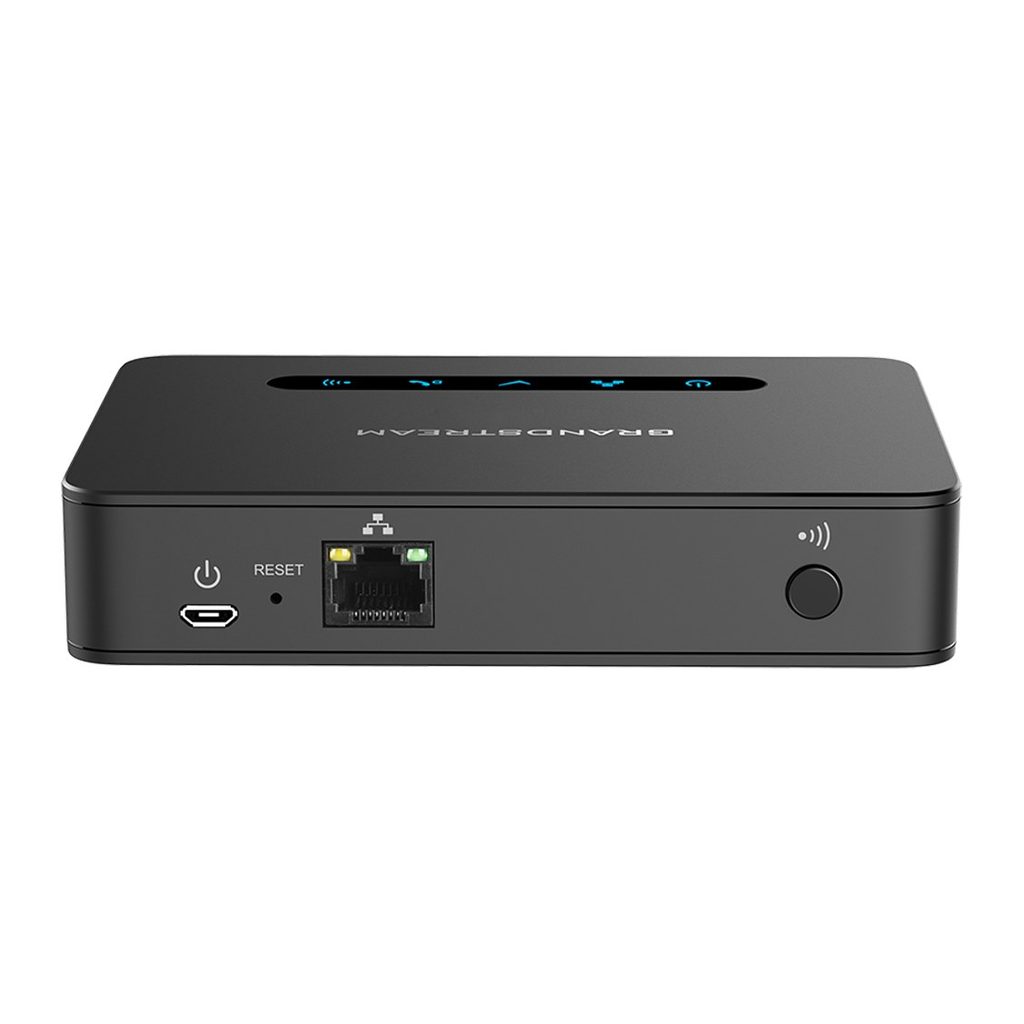
| LED Indicators | 5 LED indicators: Power, Network, Association, Activity, DECT Signal Strength |
|---|
| Buttons | Reset button, Dissociation button |
|---|
| Network Interface | One 10/100 Mbps auto-sensing Ethernet port with integrated PoE |
|---|
Audio & Telephony
| Protocol/Standards | TCP/IP/UDP, HTTP/HTTPS, ARP/RARP, ICMP, DNS, DHCP, PPPoE, SSH, TFTP, NTP, LLDP-MED, UPnP |
|---|
| Voice Codecs | G.722 codec for HD audio and G.726 codec for narrow band audio |
|---|
| Telephony Features | Plug-n-Play, auto association, auto region detection and seamless call handover |
|---|
| Association | Up to 5 repeaters in star; relays up to 2 concurrent HD calls; automatic or manual association to base station |
|---|
Security & Management
| Security | User and administrator level access control, MD5 and MD5-sess based authentication, 256-bit AES encrypted configuration file, HTTPS, 802.1x media access control |
|---|
| Multi-language | Arabic, Chinese Simple, Chinese Traditional, Czech, Dutch, English, French, German, Hebrew, Italian, Japanese, Korean, Polish, Portuguese, Russian, Serbian, Slovakian, Spanish, Turkish |
|---|
| Upgrade/Provisioning | Firmware upgrade via TFTP/HTTP/HTTPS, mass provisioning using AES encrypted XML configuration file |
|---|
| Device Management | Yes, GDMS |
|---|
Power
| Power Supply | Universal Power Supply Input AC 100-240V 50/60Hz; Output 5VDC 1A; Micro-USB connection |
|---|
| PoE | IEEE802.3af Class 1, 0.44W–3.84W |
|---|
Physical
| Package Content | Repeater Unit, Universal Power Supply, Ethernet cable, Quick Start Guide, GPL statement |
|---|
| Dimensions (H x W x D) | 28.5 x 130 x 90 mm |
|---|
| Weight | Repeater Unit: 143g; Universal Power Supply: 50g; Package: 360g |
|---|
| Temperature and Humidity | Operation: -10º to 50ºC (14º to 122ºF); Storage: -20º to 60ºC (-4º to 140ºF); Humidity: 10% to 90% non-condensing |
|---|
| Compliance | FCC: FCC Part 15B, FCC Part 15D, MPE; CE: EN 60950-1, EN 301 489-1, EN 301 489-6, EN 301 406, EN 50385, EN 55032, EN 55024, EN 61000-3-2, EN 61000-3-3; RCM: AS/NZS 60950.1; ANATEL |
|---|
Source: Grandstream official website and datasheet. Specifications are subject to change by the manufacturer.