

Skip to Content
  • Delivery in 4–10 working days across Saudi Arabia
  • A tax invoice with every order
  • Technical support before and after you buy

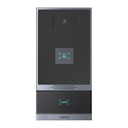
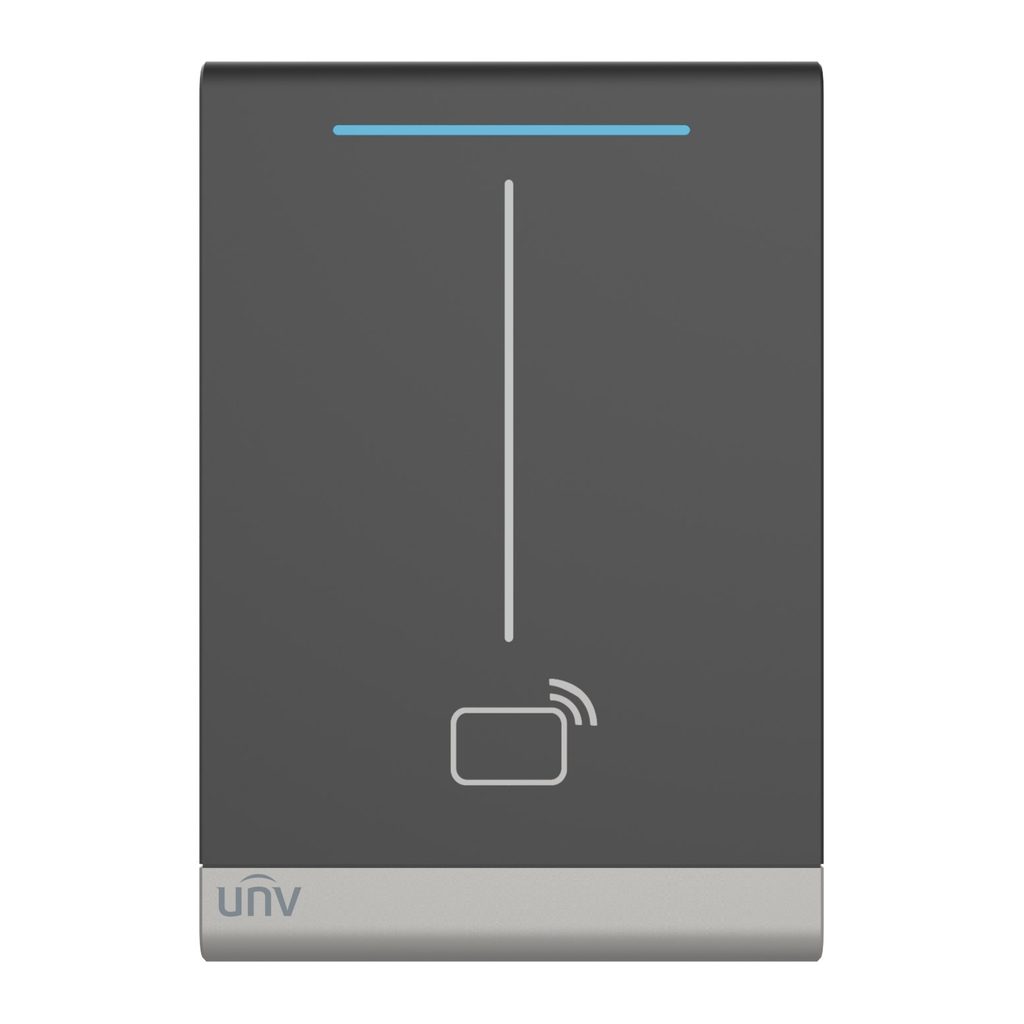
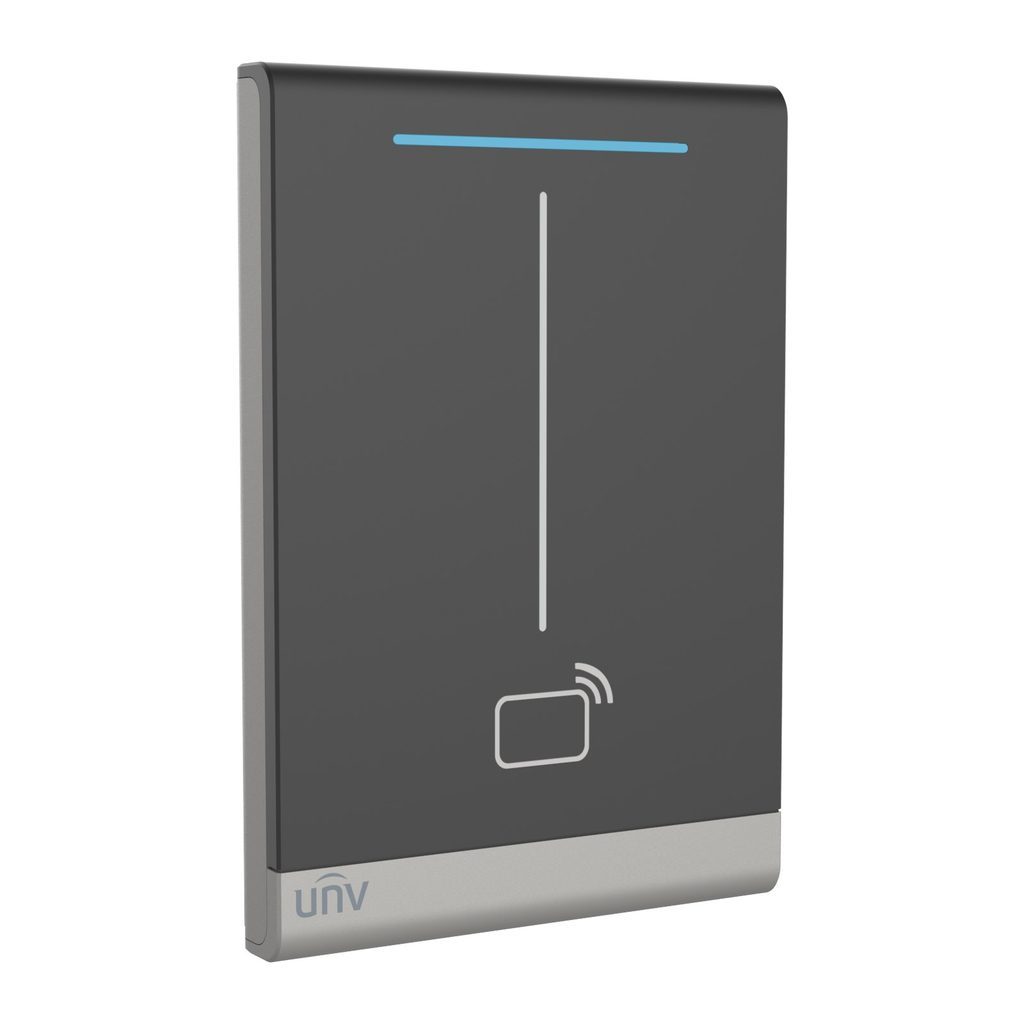
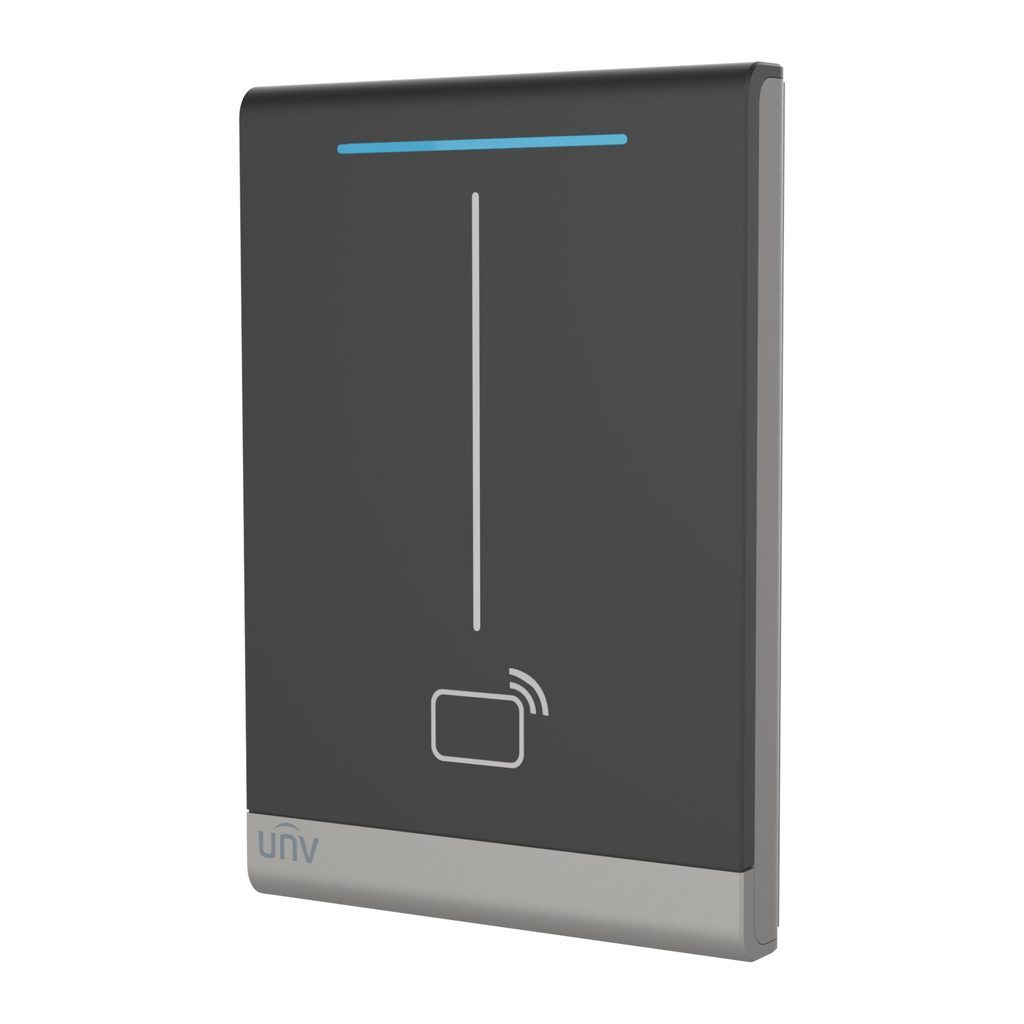
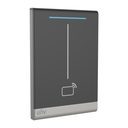
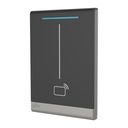
Uniview OEC-R3H-M Wall Mounted Mifare Card Reader

Part number OEC-R3H-M
  • Card Type: Mifare card
  • Reading Distance: IC card: max. 5cm
  • Authentication Mode: Card
  • Protection Level: IP65
  • Mount Method: 115*73mm junction box, 86*86mm junction box
  • Dimensions (L x W x H): 129*88*21mm
Price
⃁ 78.52 ⃁ 78.52
⃁ 78.52
(Tax excluded)
  • Delivery within 4–10 business days across Saudi Arabia
  • Warranty according to the manufacturer
  • Tax invoice with every order
  • Technical support before and after purchase

Not sure this model fits your setup? Read the buying guide
Technical specifications – OEC-R3H-M

Specifications

Operating Frequency13.56MHz
InterfaceWiegand 26/34, RS485
Dimensions (L x W x H)129*88*21mm
Weight134g
Mount Method115*73mm junction box, 86*86mm junction box
Operating Temperature-30°C to 65°C
Operating Humidity10% to 90%
Power Consumption0.732W
Operating VoltageDC 12V ± 25%
Reading DistanceIC card: max. 5cm
Authentication ModeCard
Protection LevelIP65
MaterialPC
Card TypeMifare card

Source: Uniview official website (uniview.com). Specifications are subject to change by the manufacturer.

PRACTICAL ANSWERS

Access and attendance questions

Are attendance recording and door access the same requirement?

Describe them separately: recording attendance events and authorizing passage through a door can involve different devices and workflows. Confirm which functions are included in the proposed model and software, and how each will be tested.

What details are needed to select a door access system?

Provide the door types, number of users, access schedules and identification methods you need. Ask a qualified installer to check compatible locking and exit arrangements for the site, including the required emergency behavior.

Can attendance data be linked to another business system?

Check whether the exact device and software provide a supported export or integration interface. Define employee identifiers, event formats and the synchronization schedule, then test a sample before agreeing that an integration is complete.

How should user permissions be managed?

Define who can add users, change schedules, review records and administer the system. Use separate authorized accounts and document the process for employee changes and access removal rather than relying on a shared administrator account.

What happens when power or the network is interrupted?

The behavior depends on the devices, locking arrangement and configuration. Ask for the documented behavior of the proposed setup and an agreed interruption test, including record recovery and any backup-power requirement.

What should I review before collecting attendance or access records?

Define the purpose, authorized users and appropriate retention process for your organization. Review the applicable requirements with your responsible team, and do not assume that a device’s available features authorize every possible use.