

Skip to Content
  • Delivery in 4–10 working days across Saudi Arabia
  • A tax invoice with every order
  • Technical support before and after you buy

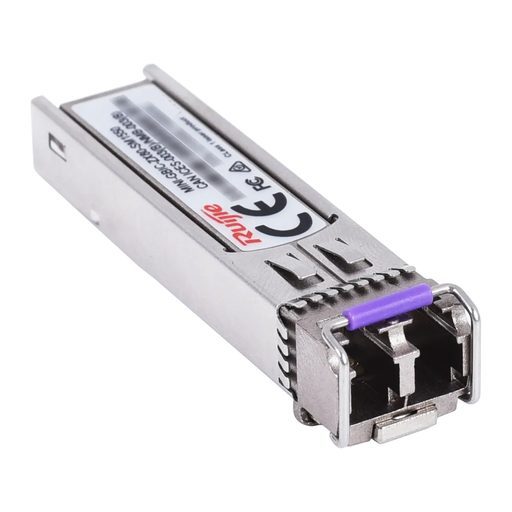
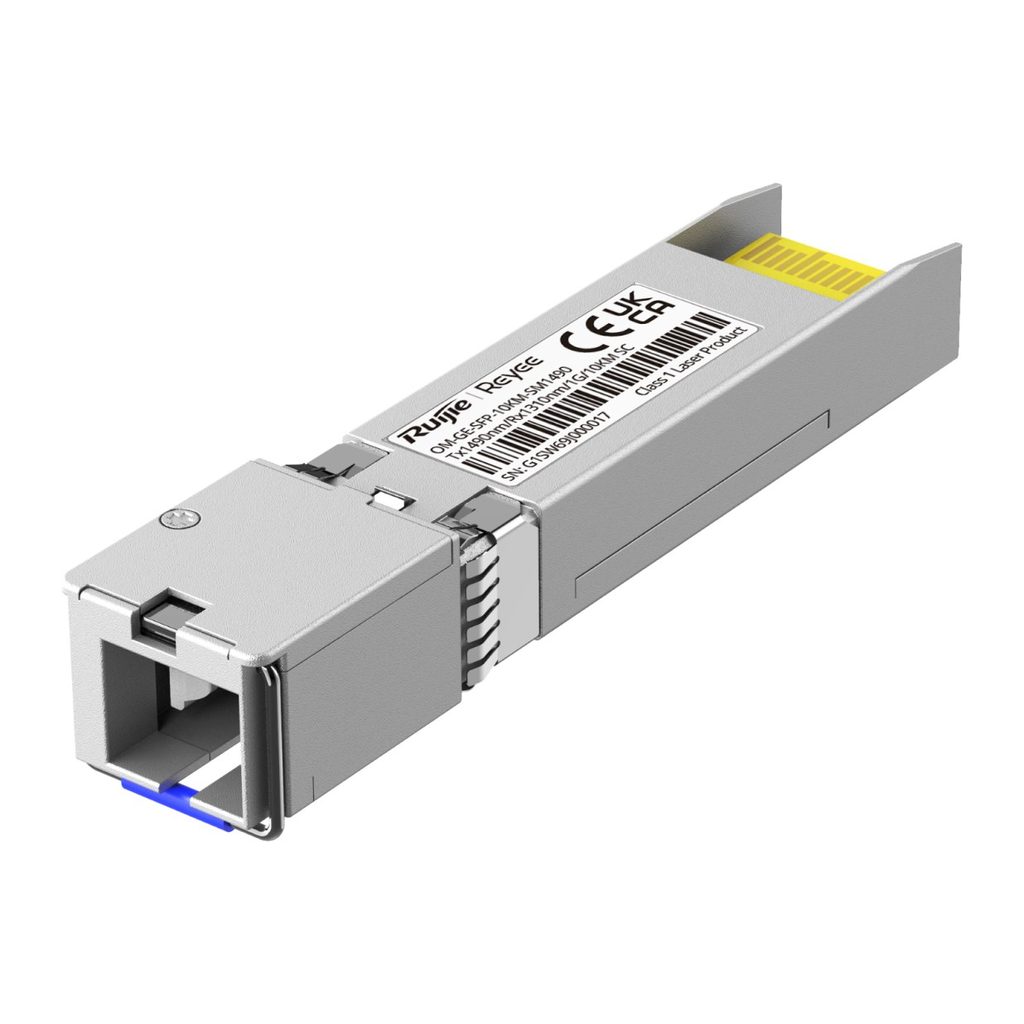
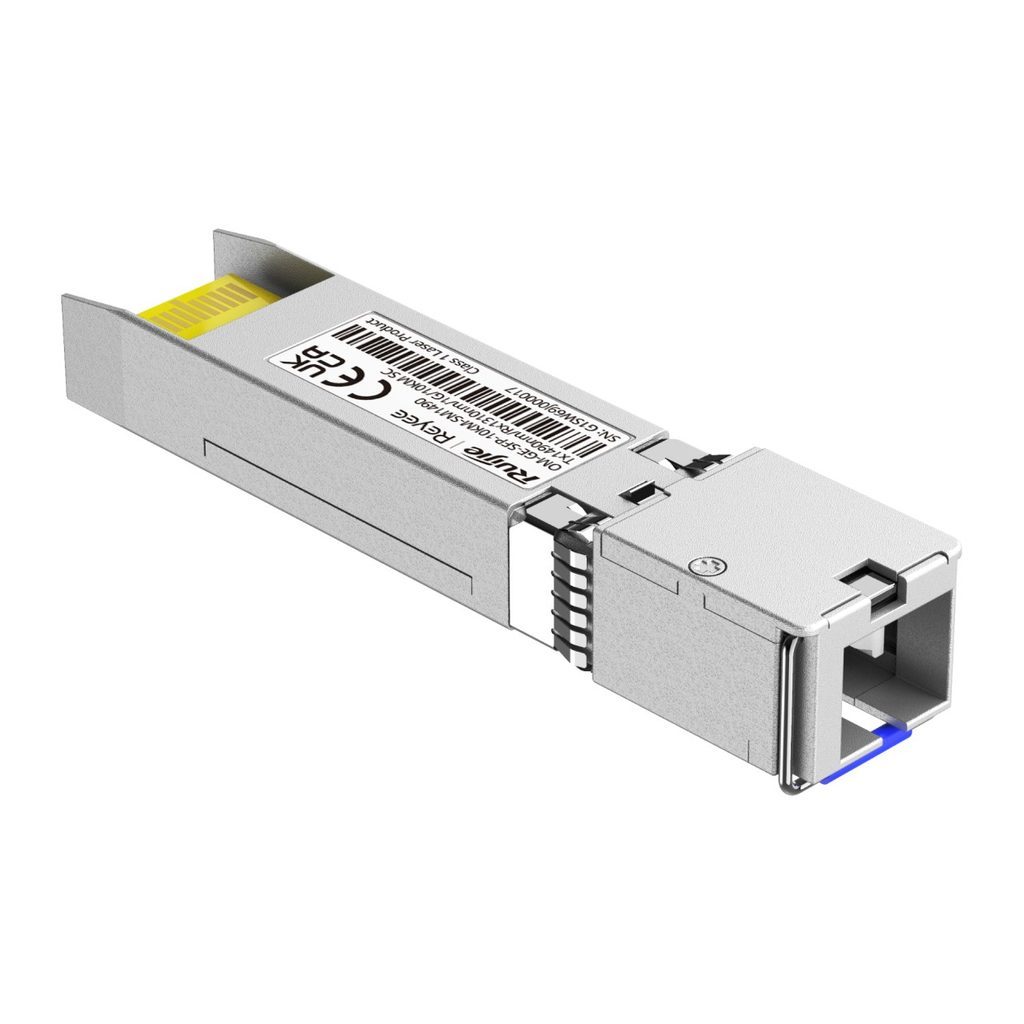
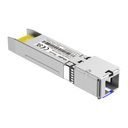
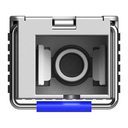
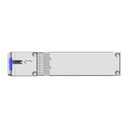
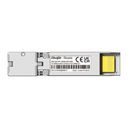
Reyee OM-GE-SFP-10KM-SM1490 Gigabit Single-Fiber Core-Side Transceiver, SC, 10km

Part number OM-GE-SFP-10KM-SM1490
  • Gigabit single-fiber, single-mode Ethernet optical transceiver with SC connector
  • Wavelength 1490 nm / 1310 nm, max. transmission distance 10 km
  • 1490 nm continuous-mode transmitter with DFB laser
  • 1310 nm burst-mode receiver with APD-TIA
  • 3.3 V operating voltage
  • Max. power consumption 1.5 W
Price
⃁ 264.38 ⃁ 264.38 ⃁ 528.76 Save 50%
⃁ 264.38 ⃁ 528.76
(Tax excluded)
  • Delivery within 4–10 business days across Saudi Arabia
  • Warranty according to the manufacturer
  • Tax invoice with every order
  • Technical support before and after purchase

Not sure this model fits your setup? Read the buying guide
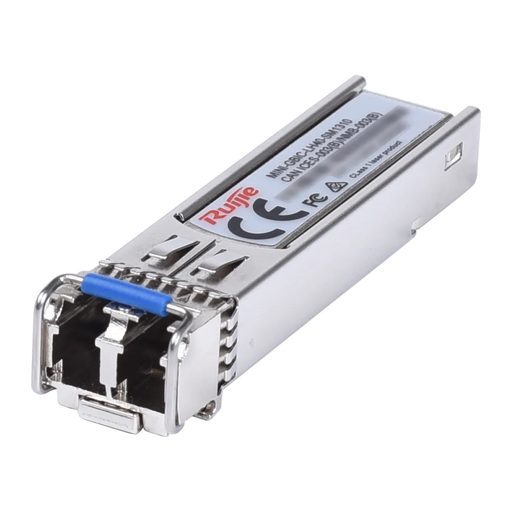
Overview of Reyee OM-GE-SFP-10KM-SM1490

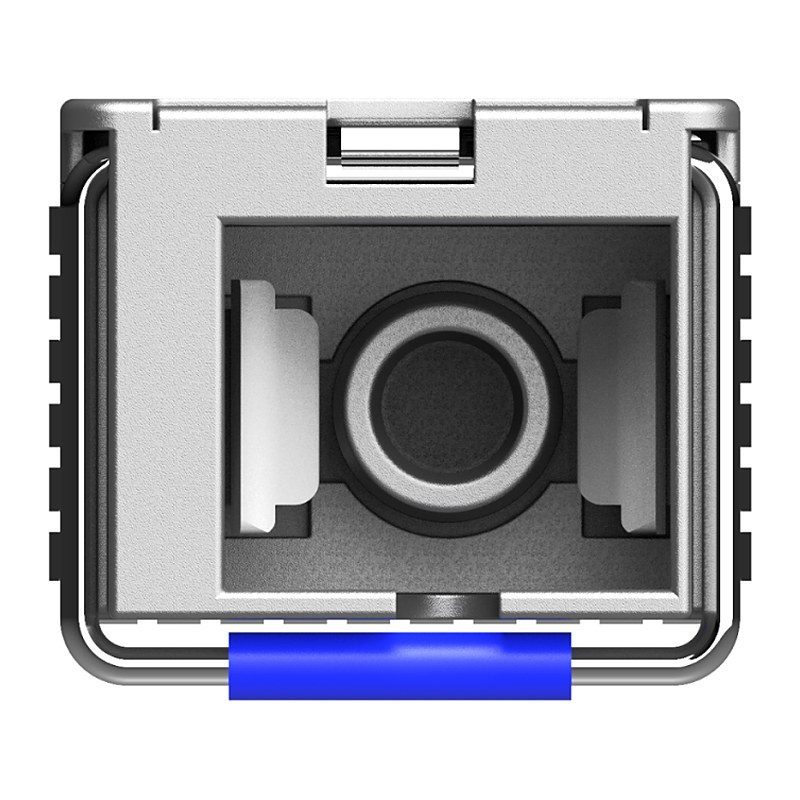
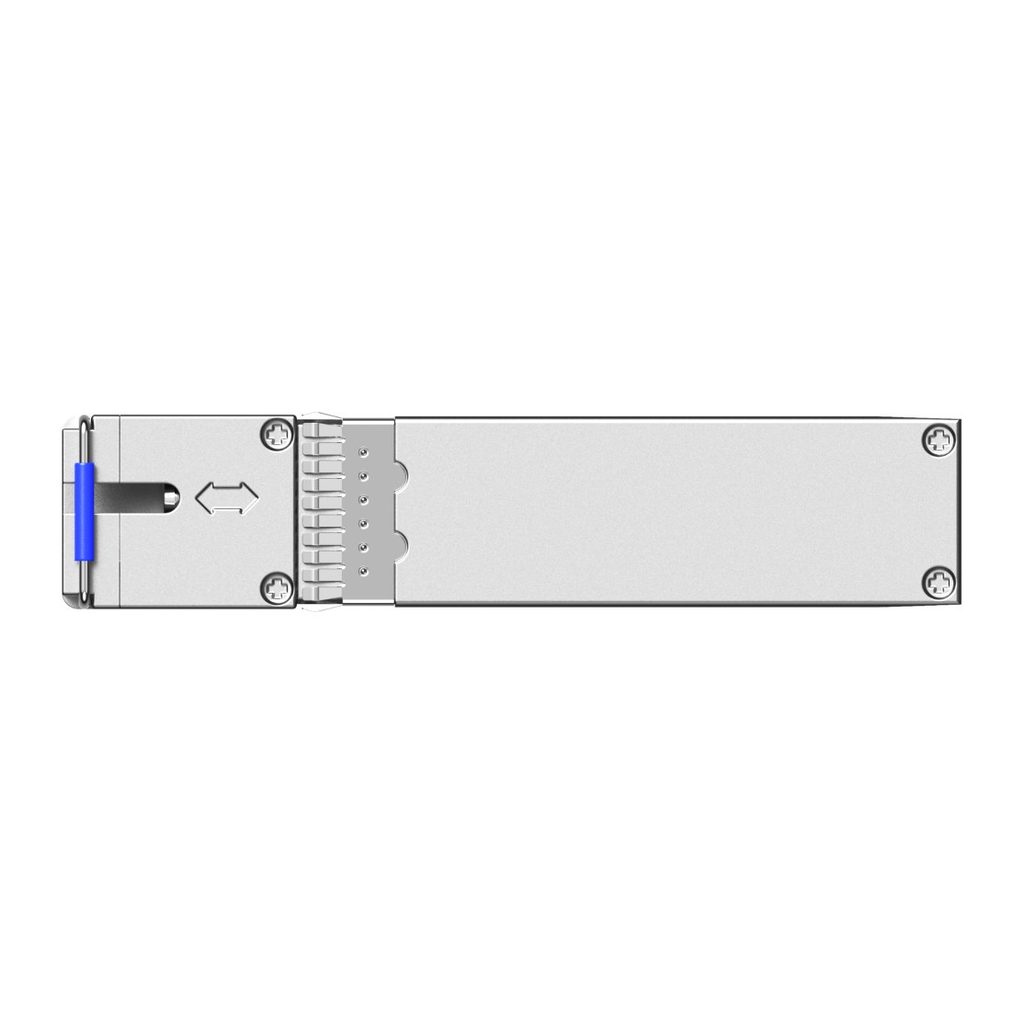
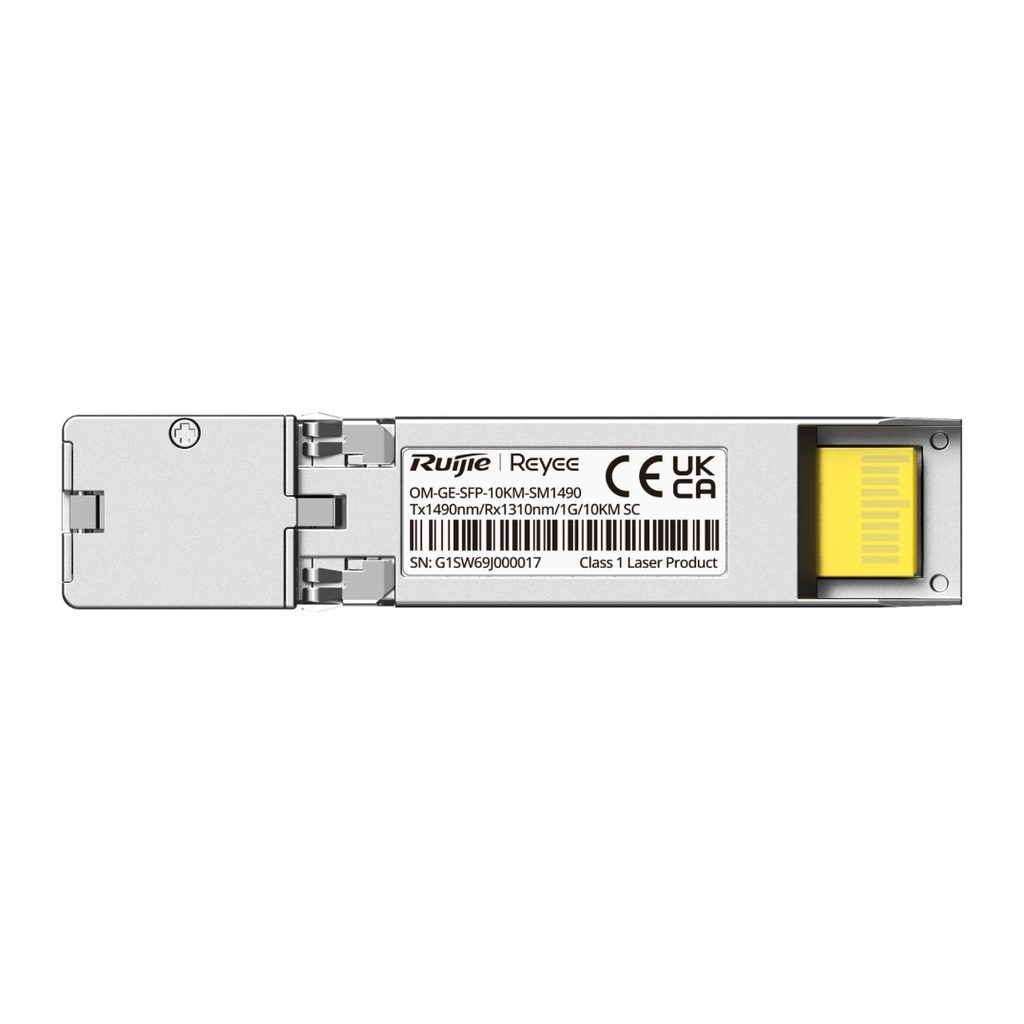
The Reyee OM-GE-SFP-10KM-SM1490 is a Gigabit single-fiber, single-mode core-side optical transceiver for the Ruijie Reyee e-Lighten passive optical network solution. It uses an SC connector, transmits at 1490 nm with a continuous-mode DFB laser and receives at 1310 nm with a burst-mode APD-TIA receiver, reaching up to 10 km. With a 1.25 Gbps rate, 3.3 V operating voltage and 1.5 W maximum power consumption, it is installed on the core side of e-Lighten fiber networks to serve optical access devices. It fits fiber-to-the-room projects in hotels, resorts, villas, apartment buildings, schools and enterprises.

Technical Specifications – Reyee OM-GE-SFP-10KM-SM1490

Key Specifications

ConnectorSC
Max. transmission distance10 km
Tx Rate1.25 Gbps
Tx Wavelength1480 nm to 1500 nm
Rx Wavelength1290 nm to 1330 nm
Tx Power3 to 7 dBm
Rx Power–32 to –12 dBm
Receiver Sensitivity–32 dBm
Operating Voltage3.14 V to 3.46 V
Max. Power Consumption1.5 W
Operating Temperature0°C to 70°C (32°F to 158°F)
Storage Temperature–40°C to +85°C (–40°F to +185°F)
Operating Humidity5% to 85%
Weight0.035 kg (0.08 lbs.)

Source: Ruijie Reyee official website and datasheet. Specifications are subject to change by the manufacturer.

PRACTICAL ANSWERS

Network planning questions

Should I choose a router, a switch or an access point?

Start with the task: connecting networks, adding wired device ports, or providing wireless coverage. A single installation may need more than one device type. Share a site diagram and device list so the proposed roles and connections are clear.

Why is wireless coverage weak in some rooms?

Check the access point location, building layout, obstacles and the number of active devices. Measure coverage where people actually work before choosing extra equipment; changing the internet package alone may not address a coverage problem.

How do I select a switch for powered network devices?

List the devices to be connected and check each device’s power requirements against the switch’s per-port capability and total documented power budget. Also review uplink capacity and reserve ports for the expansion you actually expect.

Can the guest network be separated from business devices?

Define which devices and services guests should be able to reach, then check whether the router, switch and access points support the required separation. Test the resulting access rules; a different wireless network name alone is not the acceptance test.

What information helps plan a network upgrade?

Provide floor plans, current equipment models, internet connections, cabling details and peak device counts. Describe the applications that matter most and the observed problem, such as disconnections or slow local file access.

How should network performance be checked after installation?

Agree on the locations and representative workloads to test, then record wired and wireless results separately. Check connectivity, coverage and access rules during normal use, and retain a diagram and configuration backup for support.