Overview of Grandstream GXP1630
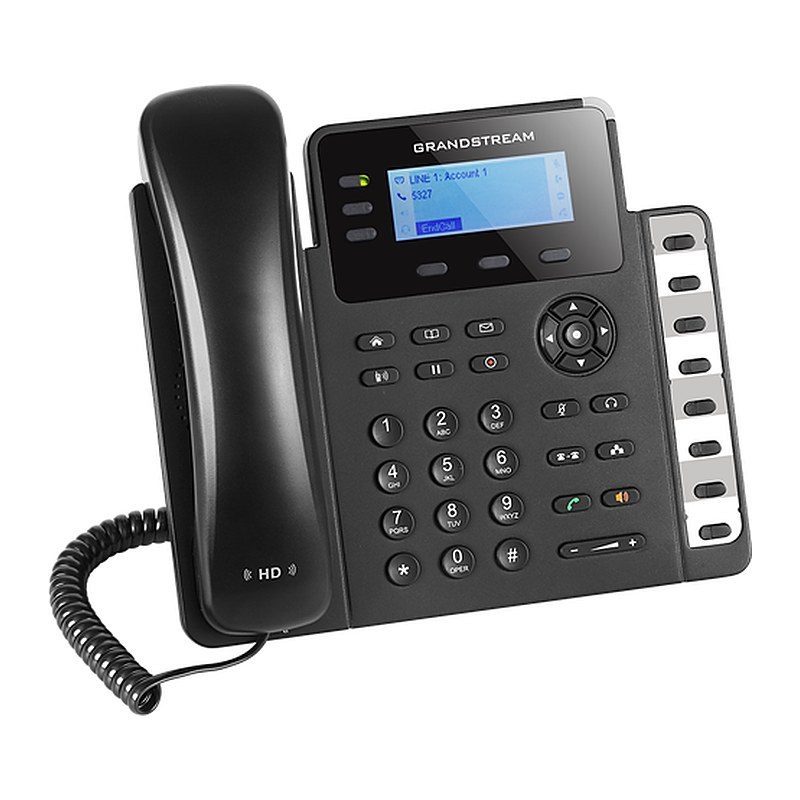
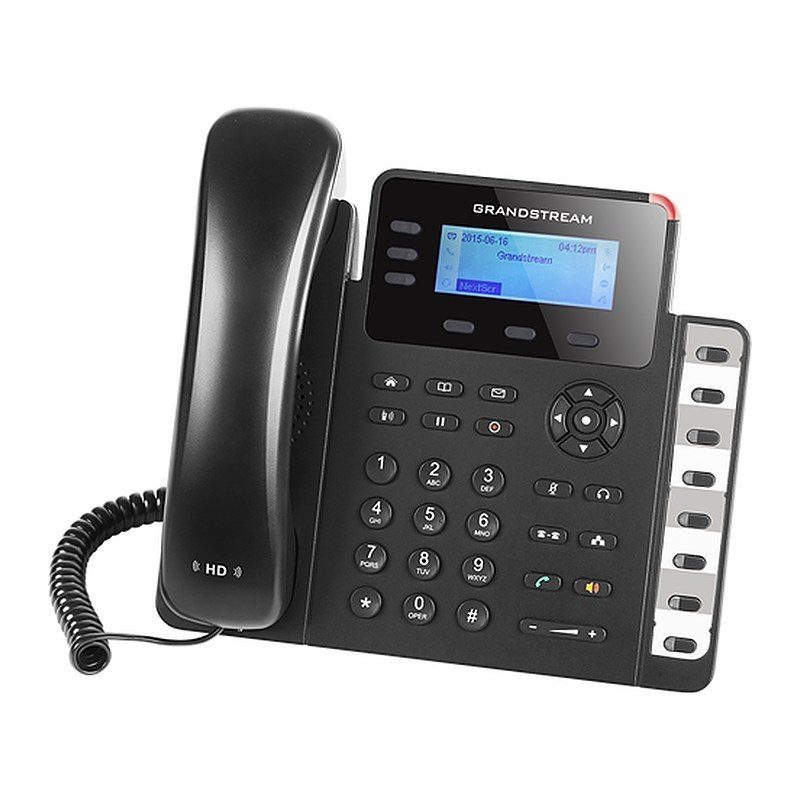
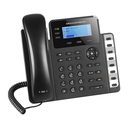
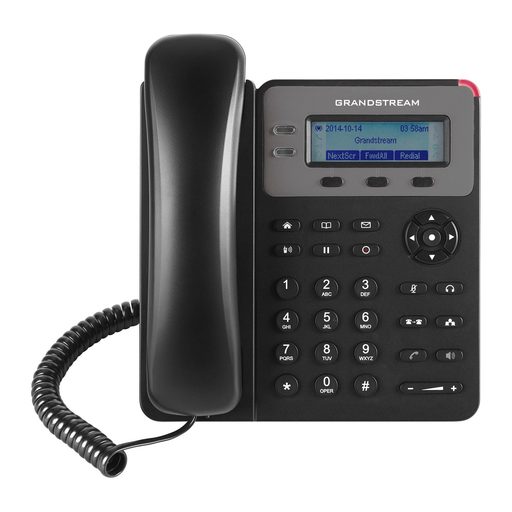
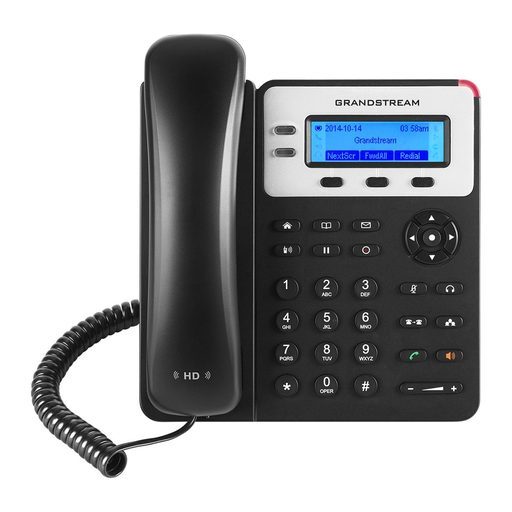
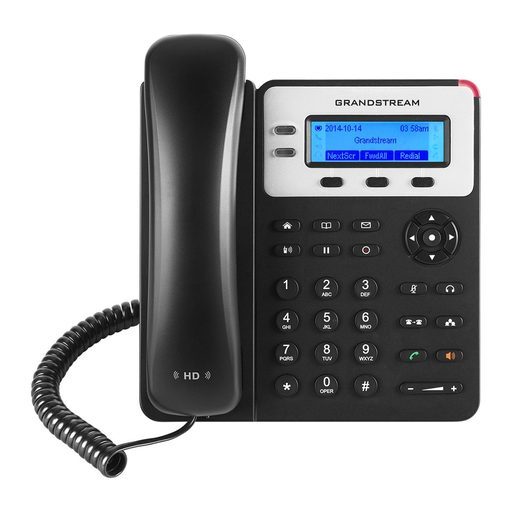
The Grandstream GXP1630 is a powerful Linux-based IP phone for small-to-medium businesses and Grandstream's most capable entry-level basic model. Focused on low to medium call volumes and efficient call handling, it offers 3 lines/SIP accounts, 8 dual-colored BLF/speed dial keys, 4-way conferencing and a 132x64 (2.98") backlit LCD. Dual Gigabit ports with integrated PoE, HD audio on speakerphone and handset, TLS/SRTP encryption and automated provisioning via UCM zero-config, encrypted XML or TR-069 make mass deployment easy. It is a versatile, dependable phone for offices, clinics, schools, hotels and showrooms.
Technical Specifications – Grandstream GXP1630
Network
| Protocols/Standards | SIP RFC3261, TCP/IP/UDP, RTP/RTCP, HTTP/HTTPS, ARP/RARP, ICMP, DNS (A record, SRV, NAPTR), DHCP, PPPoE, SSH, TFTP, NTP, STUN, SIMPLE, LLDP-MED, LDAP, TR-069, 802.1x, TLS, SRTP, CDP/SNMP/RTCP-XR |
|---|
| Network Interfaces | Dual switched auto-sensing 10/100/1000 Mbps Ethernet ports, integrated PoE |
|---|
Display & Keys
| Graphic Display | 132 x 64 (2.98") backlit graphical LCD display |
|---|
| Lines / SIP Accounts | 3 lines, 3 SIP accounts |
|---|
| Feature Keys | 3 line keys with dual-color LED and 3 SIP accounts, 3 XML programmable context sensitive soft keys, 5 (navigation, menu) keys, 8 BLF keys, 13 dedicated function keys for MUTE, HEADSET, TRANSFER, CONFERENCE, SEND and REDIAL, SPEAKERPHONE, VOLUME, PHONEBOOK, MESSAGE, HOLD, PAGE/INTERCOM, RECORD, HOME |
|---|
Audio
| Voice Codecs | Support for G.711µ/a, G.722 (wide-band), G.723, G.726-32, G.729 A/B, iLBC, in-band and out-of-band DTMF (In audio, RFC2833, SIP INFO), VAD, CNG, AEC, PLC, AJB, AGC |
|---|
Telephony Features
| Telephony Features | Hold, transfer, forward (unconditional/no-answer/busy), 4-way conferencing, call park/pickup, shared-call-appearance (SCA)/bridged-line-appearance (BLA), downloadable phone book (XML, LDAP, up to 1000 items), call waiting, call history (up to 200 records), off-hook auto dial, auto answer, click-to-dial, flexible dial plan, hot desking, personalized music ringtones, server redundancy & fail-over |
|---|
Audio
| Headset Jack | RJ9 headset jack (allowing EHS with Plantronics headsets) |
|---|
| HD Audio | Yes, HD handset and speakerphone with support for wideband audio |
|---|
Physical
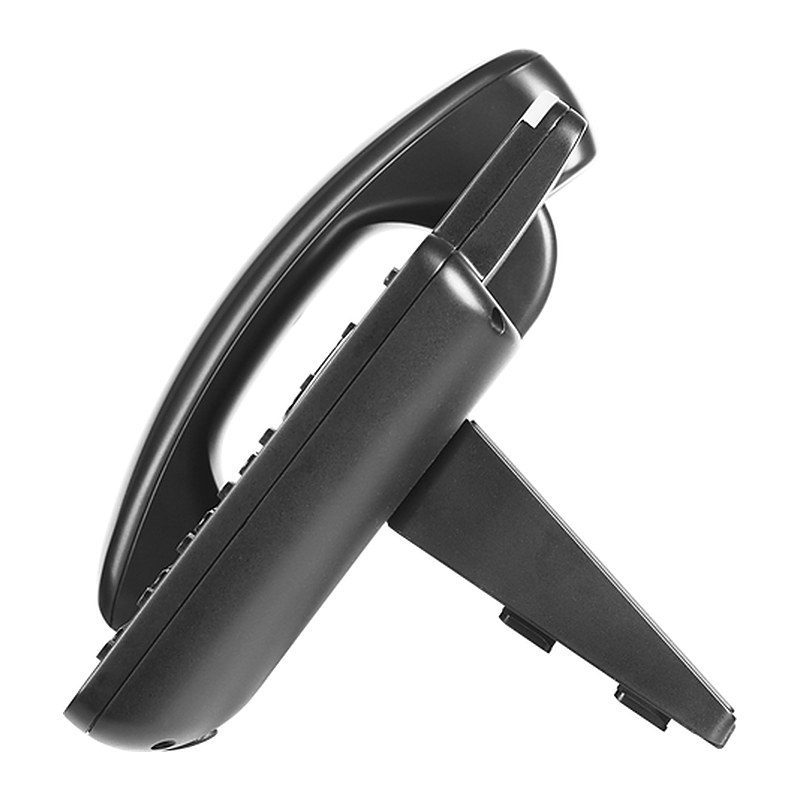
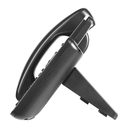
| Base Stand | Yes, 2 angled positions available, wall mountable |
|---|
| Wall Mountable | Yes |
|---|
Network
| QoS | Layer 2 QoS (802.1Q, 802.1P) and Layer 3 (ToS, DiffServ, MPLS) QoS |
|---|
Security & Management
| Security | User and administrator level access control, MD5 and MD5-sess based authentication, 256-bit AES encrypted configuration file, TLS, SRTP, HTTPS, 802.1x media access control |
|---|
| Multi-language | English, German, Italian, French, Spanish, Portuguese, Russian, Croatian, simplified and traditional Chinese, Korean, Japanese and more |
|---|
| Upgrade/Provisioning | Firmware upgrade via TFTP / HTTP / HTTPS, mass provisioning using TR-069 or AES encrypted XML configuration file, FTP/FTPS |
|---|
Power
| Power Supply | Universal Power Supply Input 100-240VAC 50-60Hz; Output +5VDC, 600mA |
|---|
| PoE | IEEE802.3af Class 2, 3.84W-6.49W; IEEE802.3az (EEE) |
|---|
Environment
| Operating Temperature | 0°C to 40°C |
|---|
| Storage Temperature | -10°C to 60°C |
|---|
| Humidity | 10% to 90% Non-condensing |
|---|
Physical
| Dimensions | 222.5mm (L) x 208.5mm (W) x 76.2mm (H) (with handset) |
|---|
| Unit Weight | 0.8kg |
|---|
| Package Weight | 1.2kg |
|---|
| Package Content | GXP1630 phone, handset with cord, base stand, universal power supply, network cable, Quick Installation Guide, brochure, GPL License |
|---|
Compliance
| FCC | Part 15 (CFR 47) Class B |
|---|
| CE | EN55022 Class B, EN55024 Class B; EN61000-3-2, EN61000-3-3, EN60950-1 |
|---|
| RCM | AS/ACIF S004; AS/NZS CISPR22/24; AS/NZS 60950; AS/NZS 60950.1 |
|---|
Source: Grandstream official website and datasheet. Specifications are subject to change by the manufacturer.