


Skip to Content
  • Delivery in 4–10 working days across Saudi Arabia
  • A tax invoice with every order
  • Technical support before and after you buy

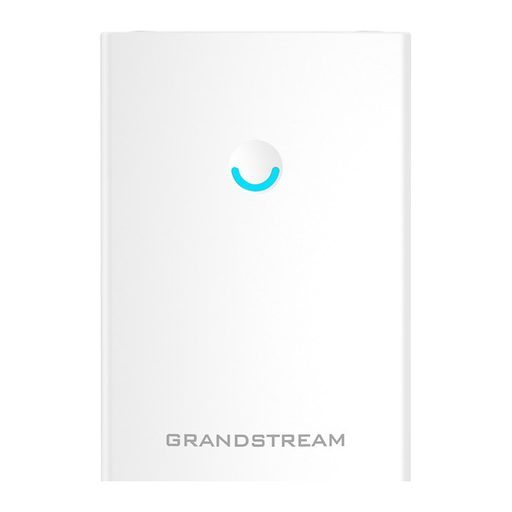
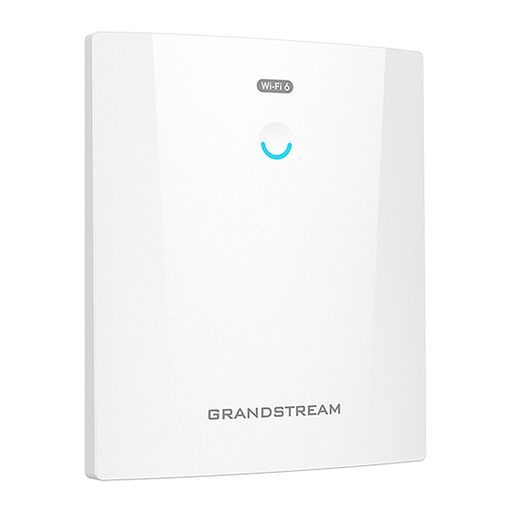
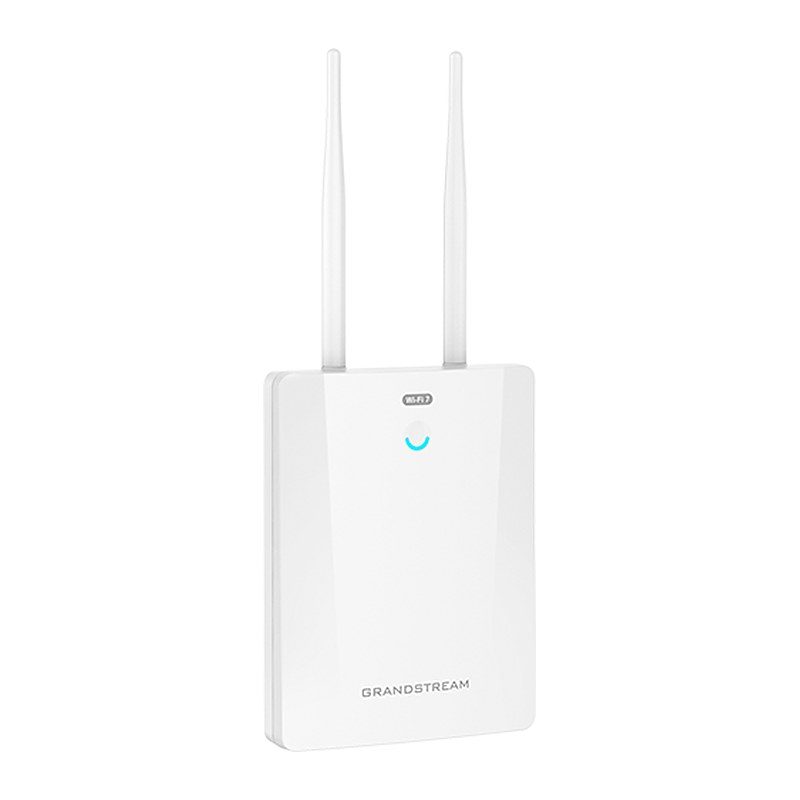
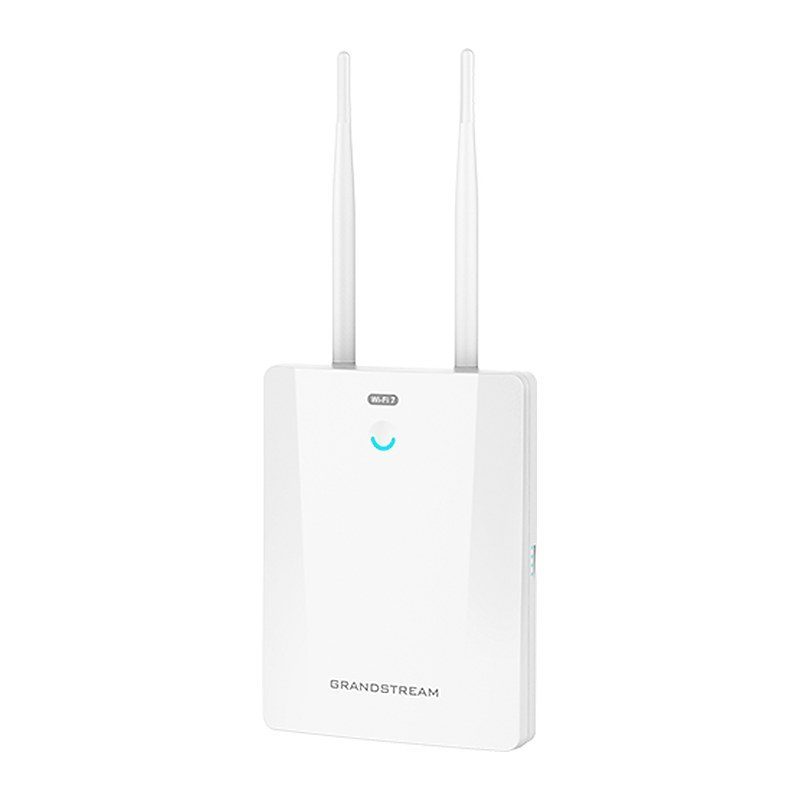
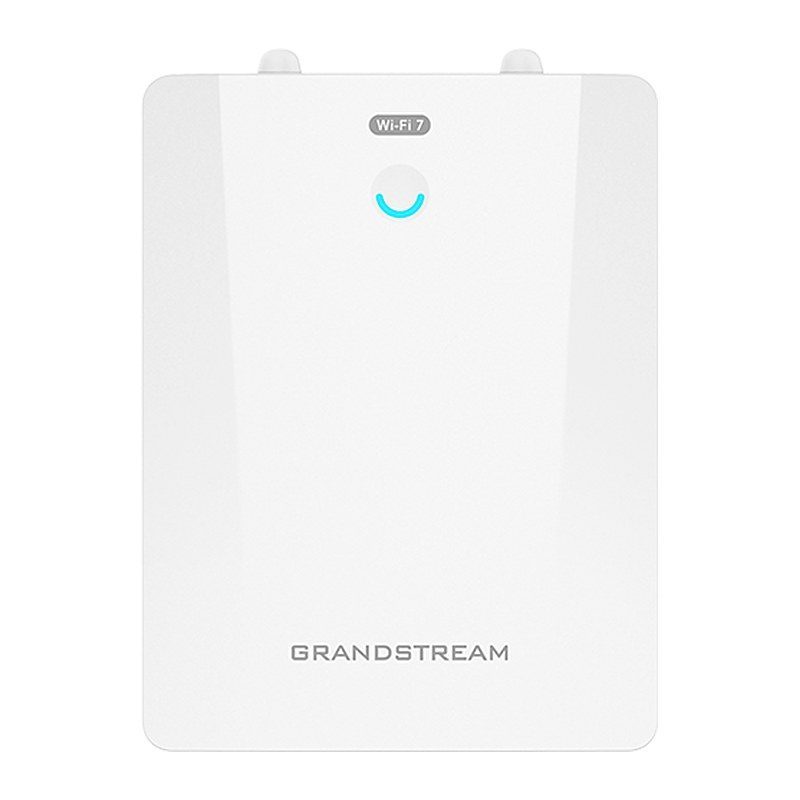
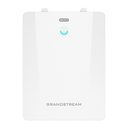
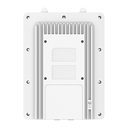
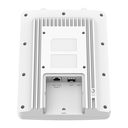
Grandstream GWN7670LR Long-Range Wi-Fi 7 Access Point/Bridge, 2.5GbE + 2.5G SFP, 350m, IP66

Part number GWN7670LR
  • 3.6Gbps aggregate wireless throughput, 2.5 Gigabit Ethernet port and 2.5 Gigabit SFP port
  • Integrated Wi-Fi 7 and dual-band 2x2:2 MIMO with DL/UL OFDMA technology
  • Up to 350-meter coverage range
  • Supports 256 concurrent Wi-Fi client devices
  • Flexible switching between internal directional antennas and external omnidirectional antennas
  • IP66-level weatherproof capability
  • Self-power adaptation upon auto-detection of PoE+
  • Embedded controller manages up to 50 local GWN APs; GDMS Networking offers unlimited AP management, & GWN Manager offers on-premise software AP management
Price
⃁ 781.87 ⃁ 781.87 ⃁ 1,018.06 Save 23%
⃁ 781.87 ⃁ 1,018.06
(Tax excluded)
  • Delivery within 4–10 business days across Saudi Arabia
  • Warranty according to the manufacturer
  • Tax invoice with every order
  • Technical support before and after purchase

Not sure this model fits your setup? Read the buying guide
Overview of Grandstream GWN7670LR

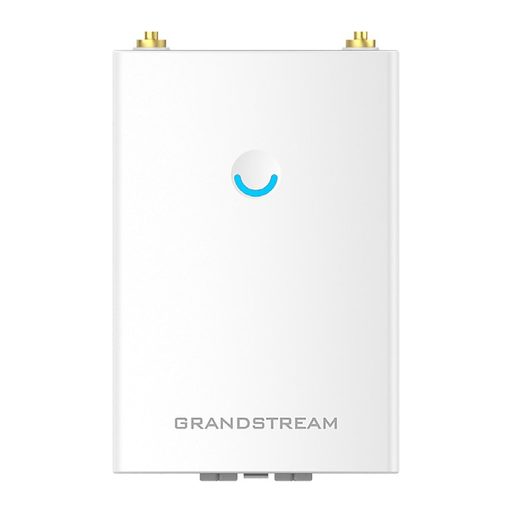
The Grandstream GWN7670LR is a long-range dual-band Wi-Fi 7 access point/bridge for medium-to-large businesses that need long-range coverage. It offers IP66-level weatherproofing, dual-band 2x2:2 MIMO with DL/UL OFDMA, 4096-QAM and MLO, delivering 3.6Gbps throughput, 256 concurrent clients and coverage up to 350 meters. It can switch between internal directional and external omnidirectional antennas, and can serve as a long-range wireless bridge (PtMP listed as pending in the datasheet). A 2.5 Gigabit port with PoE+ input, a 2.5 Gigabit SFP port and BLE 5.3 are included, with management via the embedded controller, GDMS Networking or GWN Manager. Ideal for warehouses, parks, campuses, hospitals and schools.

Technical Specifications – Grandstream GWN7670LR

Hardware Specifications

Antenna2.4G: Directional internal 8dBi/External omni 3.5dBi; 5G: Directional internal 13.5dBi/External omni 3.5dBi; BT: 5.0dBi; Directional internal antenna beamwidth: 2.4G: 90 degree, 5G: 35 degree
MIMO2.4GHz: 2x2:2, MIMO; 5GHz: 2x2:2, MIMO
Frequency Bands2.4GHz Radio: 2400 - 2483.5 MHz; 5GHz Radio: 5150 - 5895 MHz
Channel Bandwidth2.4G: 20 and 40 MHz; 5G: 20, 40, 80 and 160 MHz
Wi-Fi Data Rates2.4G: IEEE 802.11be: Up to 688 Mbps; IEEE 802.11ax: 7.3Mbps to 574 Mbps; IEEE 802.11n: 6.5Mbps to 300Mbps; IEEE 802.11b: 1, 2, 5.5, 11 Mbps; IEEE 802.11g: 6, 9, 12, 18, 24, 36, 48, 54 Mbps. 5G: IEEE 802.11be: Up to 2882 Mbps; IEEE 802.11ax: 7.3 Mbps to 2402 Mbps; IEEE 802.11ac: 6.5 Mbps to 1732 Mbps; IEEE 802.11n: 6.5 Mbps to 600 Mbps; IEEE 802.11a: 6, 9, 12, 18, 24, 36, 48, 54 Mbps
Maximum TX Power2.4G: 27dBm; 5G: 26dBm
Receiver Sensitivity2.4G: 802.11b: -96dBm @1Mbps, -88dBm @11Mbps; 802.11g: -93dBm @6Mbps, -75dBm @54Mbps; 802.11n 20MHz: -73dBm @MCS7; 802.11n 40MHz: -70dBm @MCS7; 802.11ax 20MHz: -60dBm @MCS11; 802.11ax 40MHz: -58dBm @MCS11; 802.11be 20MHz: -65dBm @MCS13; 802.11be 40MHz: -62dBm @MCS13. 5G: 802.11a: -92dBm @6Mbps, -74dBm @54Mbps; 802.11n 20MHz: -73dBm @MCS7; 802.11n 40MHz: -70dBm @MCS7; 802.11ac 20MHz: -67dBm @MCS8; 802.11ac 40MHz: -63dBm @MCS9; 802.11ac 80MHz: -59dBm @MCS9; 802.11ax 20MHz: -60dBm @MCS11; 802.11ax 40MHz: -58dBm @MCS11; 802.11ax 80MHz: -56dBm @MCS11; 802.11ax 160MHz: -52dBm @MCS11; 802.11be 20MHz: -59dBm @MCS13; 802.11be 40MHz: -56dBm @MCS13; 802.11be 80MHz: -54dBm @MCS13; 802.11be 160MHz: -52dBm @MCS13
Coverage RangeUp to 350 meters (can vary based on environment)
Point to Multipoint (pending)1 to 3; up to 1.5 kilometers
BluetoothBLE 5.3
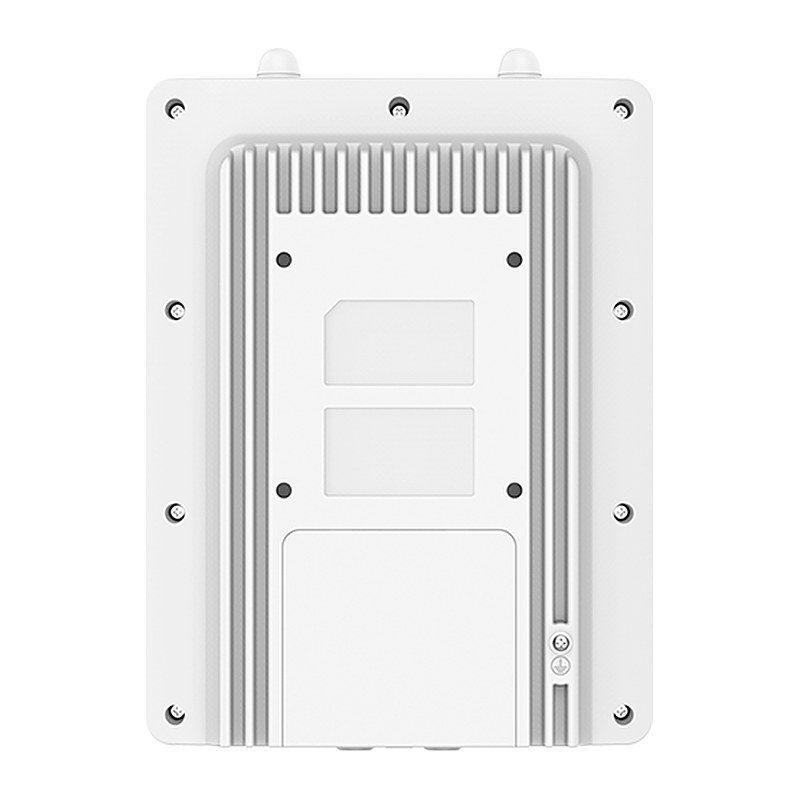
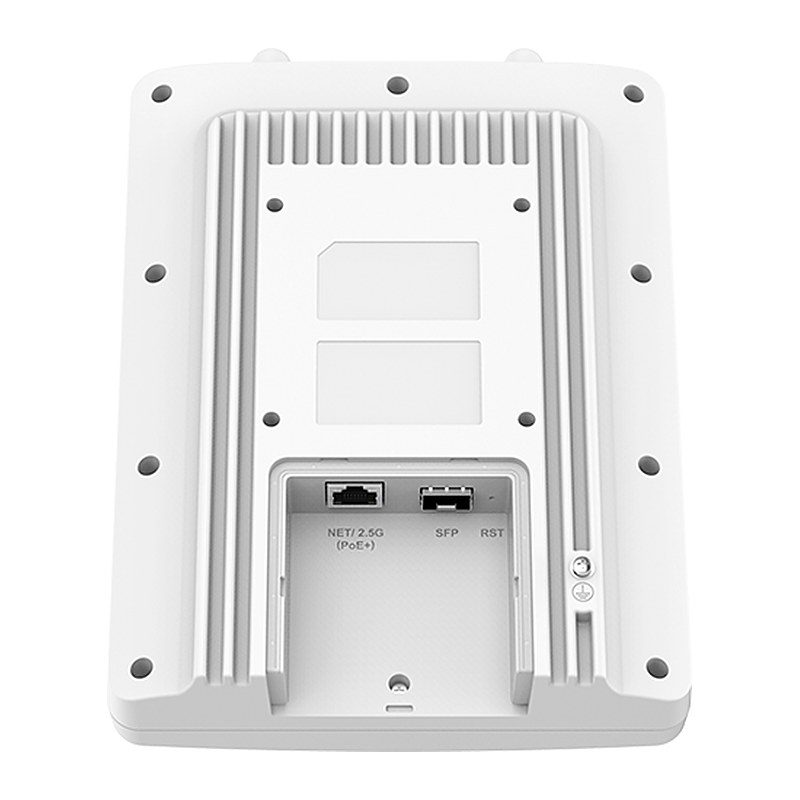
Network Ports1x 2.5G Ethernet RJ45 Port, PoE input; 1x 2.5G SFP
LEDs1x tri-color LED for device tracking and status indication; 4x blue LED for signal strength indication (PtMP mode)
Auxiliary Ports1x Reset Pinhole
PoE Input802.3at
Maximum Power Consumption15.5W
DimensionUnit: 223.2 x 169.9 x 53.9 mm; Entire Package: 376 x 321 x 138 mm
WeightUnit: 1.2kg; Entire Package: 2.7kg
MountingWall mount or pole mount, kits included
Package ContentGWN7670LR Wi-Fi 7 Wireless AP, Mounting Kits, Quick Start Guide
TemperatureOperation: -30°C to 60°C; Storage: -40°C to 70°C
Humidity10% to 90% Non-condensing
ComplianceFCC, CE, RCM, IC

Software Specifications

Wi-Fi StandardsIEEE 802.11a/b/g/n/ac/ax/be
SSIDs32 SSIDs total, 16 per radio (2.4GHz & 5GHz)
Concurrent Clients256
BasicsBeamforming, OFDMA, Multi-RU, Preamble puncturing, 4096-QAM, Multilink operation (MLO), Target wake time (TWT), Maximal Ratio Combining (MRC), Space-Time Block Coding (STBC), Low-density Parity-Check (LDPC), 802.11 Dynamic Frequency Selection (DFS), BSS coloring
Port AggregationMultiple uplink ports for port aggregation to increase uplink bandwidth
BridgeSupported
SSID HiddenRestrict access and improve wireless network security by SSID hiding
Multicast/Broadcast SuppressionMulticast/Broadcast enable optimization with ARP proxy
Multicast EnhancementConvert multicast data into unicast data for transmission
Bandwidth LimitingSupport SSID/Client/MAC/IP-based rate limiting
Band Steering/Client SteeringGuide client to the frequency band with more abundant spectrum resources
RRMDynamically assign radio power, channel
VPNL2TPv3
VLANInterface/SSID/MAC binding VLAN; Management VLAN; Dynamic VLAN
ScheduleSSID, LED, Reboot schedule
Mesh2.4G, 2.4G & 5G, 5G
Hotspot2.0Supported
Wireless Roaming802.11k, 802.11v, 802.11r; Layer 2 roaming
NetworkIPv4: Static or DHCP; IPv6: Static or DHCP; DHCP server/client/relay; NAT Pool; LLDP
User Authentication802.1x authentication; MAC authentication via RADIUS; PPSK with/without RADIUS; Captive Portal with radius/social login/vouchers/password/SAML SSO/active directory authentication
EncryptionOpen system, OSEN, WPA2-PSK (personal), WPA2-802.1x (enterprise), WPA3-SAE (personal), WPA3-802.1x (enterprise), WPA/WPA2, WPA2/WPA3; anti-hacking secure boot and critical data/control lockdown via digital signatures, unique security certificate and random default password per device
Forwarding SecurityMAC filtering, Client isolation, OS filtering, Inbound/outbound traffic rules
WIDSRogue AP detection and containment, ARP attack defense, ND attack defense
QoS802.11e/WMM, 802.1p, 802.1q, TOS
Management PlatformLocal Web: embedded controller can manage up to 50 local GWN APs; GDMS Networking: free cloud management platform for unlimited GWN APs; GWN Manager: premise-based software controller for up to 3,000 GWN APs; GWN APP
Management ProtocolTR-069, SNMP

Source: Grandstream official website and datasheet. Specifications are subject to change by the manufacturer.

PRACTICAL ANSWERS

Network planning questions

Should I choose a router, a switch or an access point?

Start with the task: connecting networks, adding wired device ports, or providing wireless coverage. A single installation may need more than one device type. Share a site diagram and device list so the proposed roles and connections are clear.

Why is wireless coverage weak in some rooms?

Check the access point location, building layout, obstacles and the number of active devices. Measure coverage where people actually work before choosing extra equipment; changing the internet package alone may not address a coverage problem.

How do I select a switch for powered network devices?

List the devices to be connected and check each device’s power requirements against the switch’s per-port capability and total documented power budget. Also review uplink capacity and reserve ports for the expansion you actually expect.

Can the guest network be separated from business devices?

Define which devices and services guests should be able to reach, then check whether the router, switch and access points support the required separation. Test the resulting access rules; a different wireless network name alone is not the acceptance test.

What information helps plan a network upgrade?

Provide floor plans, current equipment models, internet connections, cabling details and peak device counts. Describe the applications that matter most and the observed problem, such as disconnections or slow local file access.

How should network performance be checked after installation?

Agree on the locations and representative workloads to test, then record wired and wireless results separately. Check connectivity, coverage and access rules during normal use, and retain a diagram and configuration backup for support.