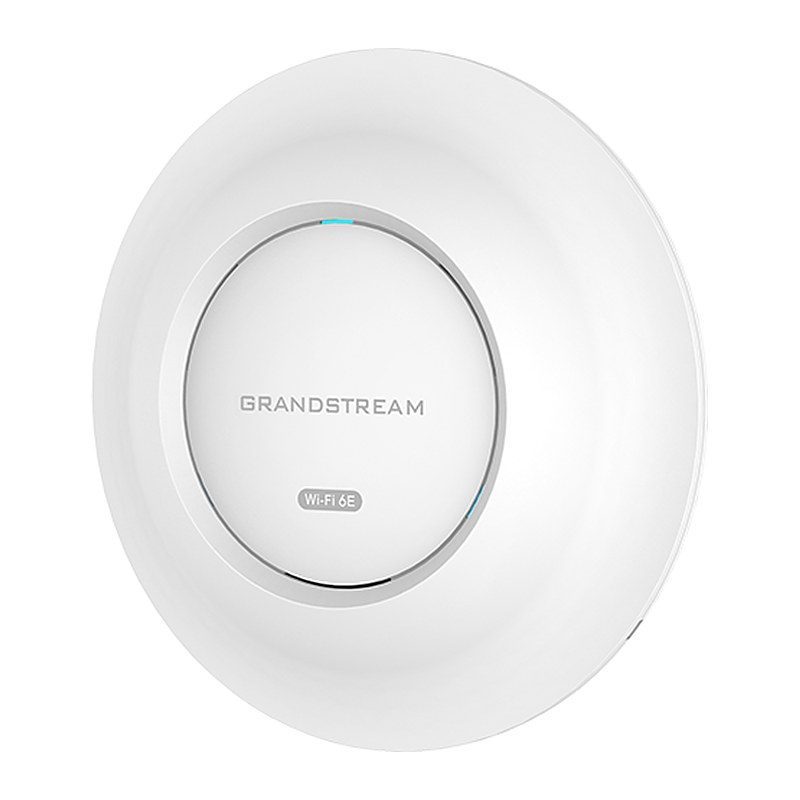
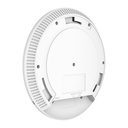
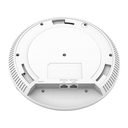
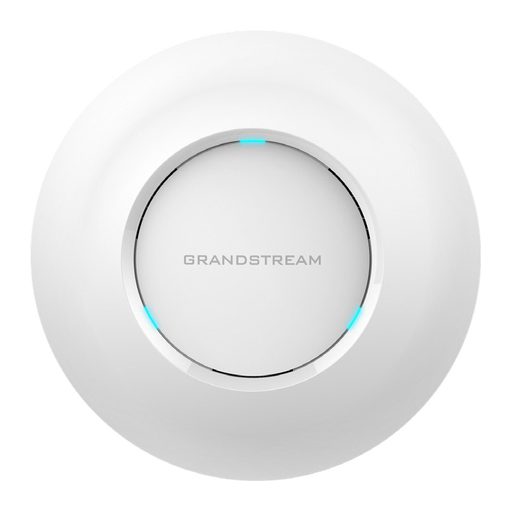
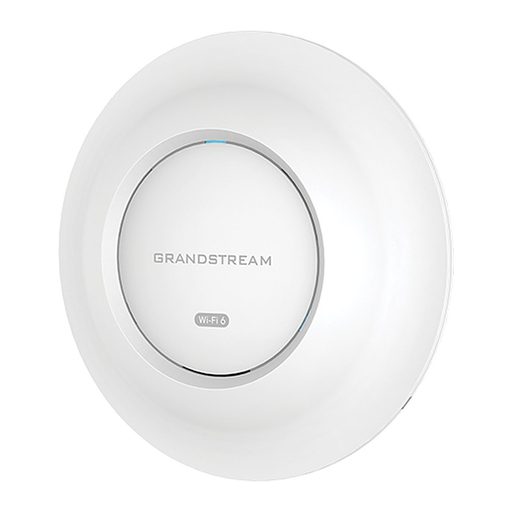
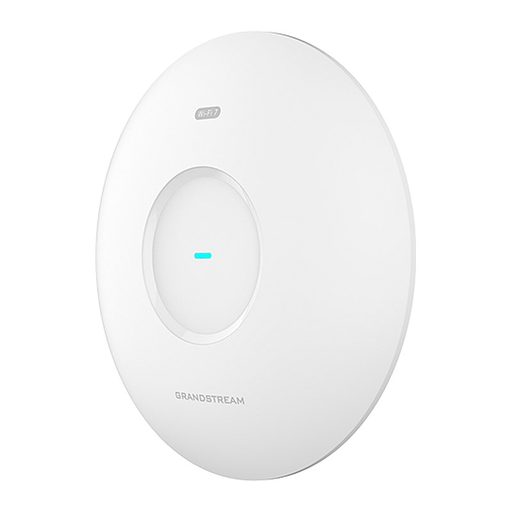
| Wi-Fi Standards | IEEE 802.11 a/b/g/n/ac/ax (Tri-Band, Wi-Fi 6E) |
|---|
| Antennas | 7 individual internal antennas; 2.4GHz x 2, gain 4.0dBi; 5GHz x 2, gain 5.0dBi; 6GHz x 2, gain 4.5dBi; BT, gain 4.0dBi |
|---|
| Wi-Fi Data Rates | 2.4G: IEEE 802.11ax: 7.3 Mbps to 573.5 Mbps; IEEE 802.11n: 6.5Mbps to 300Mbps; IEEE 802.11b: 1, 2, 5.5, 11 Mbps; IEEE 802.11g: 6, 9, 12, 18, 24, 36, 48, 54 Mbps. 5G: IEEE 802.11ax: 7.3 Mbps to 2403 Mbps; IEEE 802.11ac: 6.5 Mbps to 1734 Mbps; IEEE 802.11n: 6.5Mbps to 300Mbps; IEEE 802.11a: 6, 9, 12, 18, 24, 36, 48, 54 Mbps. 6G: IEEE 802.11ax: 7.3 Mbps to 2403 Mbps; IEEE 802.11ac: 6.5 Mbps to 1734 Mbps; IEEE 802.11n: 6.5Mbps to 300Mbps; IEEE 802.11a: 6, 9, 12, 18, 24, 36, 48, 54 Mbps |
|---|
| Frequency Bands | 2.4GHz Radio: 2412 - 2484 MHz; 5GHz Radio: 5180 - 5825 MHz; 6GHz Radio: 5945 - 7125MHz |
|---|
| Channel Bandwidth | 2.4G: 20 and 40 MHz; 5G: 20, 40, 80 and 160 MHz; 6G: 20, 40, 80 and 160MHz |
|---|
| Wi-Fi and System Security | WEP, WPA/WPA2-PSK, WPA/WPA2 Enterprise (TKIP/AES), WPA3, anti-hacking secure boot and critical data/control lockdown via digital signatures, unique security certificate and random default password per device |
|---|
| MU-MIMO | 2×2:2 2.4GHz; 2×2:2 5GHz; 2×2:2 6GHz |
|---|
| Coverage Range | Up to 175 meters (can vary based on environment) |
|---|
| Maximum TX Power | 2.4G: 24dBm; 5G: 27dBm; 6G: 26dBm |
|---|
| Receiver Sensitivity | 2.4G: 802.11b: -96dBm @1Mbps, -88dBm @11Mbps; 802.11g: -93dBm @6Mbps, -75dBm @54Mbps; 802.11n 20MHz: -73dBm @MCS7; 802.11n 40MHz: -70dBm @MCS7; 802.11ax 20MHz: -60dBm @MCS11; 802.11ax 40MHz: -58dBm @MCS11. 5G: 802.11a: -90dBm @6Mbps, -72dBm @54Mbps; 802.11n 20MHz: -71dBm @MCS7; 802.11n 40MHz: -68dBm @MCS7; 802.11ac 20MHz: -65dBm @MCS8; 802.11ac 40MHz: -61dBm @MCS9; 802.11ac 80MHz: -57dBm @MCS9; 802.11ac 160MHz: -55dBm @MCS9; 802.11ax 20MHz: -58dBm @MCS11; 802.11ax 40MHz: -56dBm @MCS11; 802.11ax 80MHz: -54dBm @MCS11; 802.11ax 160MHz: -51dBm @MCS11. 6G: 802.11a: -90dBm @6Mbps, -72dBm @54Mbps; 802.11n 20MHz: -71dBm @MCS7; 802.11n 40MHz: -68dBm @MCS7; 802.11ac 20MHz: -65dBm @MCS8; 802.11ac 40MHz: -61dBm @MCS9; 802.11ac 80MHz: -57dBm @MCS9; 802.11ac 160MHz: -55dBm @MCS9; 802.11ax 20MHz: -58dBm @MCS11; 802.11ax 40MHz: -56dBm @MCS11; 802.11ax 80MHz: -54dBm @MCS11; 802.11ax 160MHz: -51dBm @MCS11 |
|---|
| SSIDs | 48 SSIDs total, 16 per radio (2.4GHz & 5GHz & 6GHz) |
|---|
| Concurrent Clients | 384 |
|---|
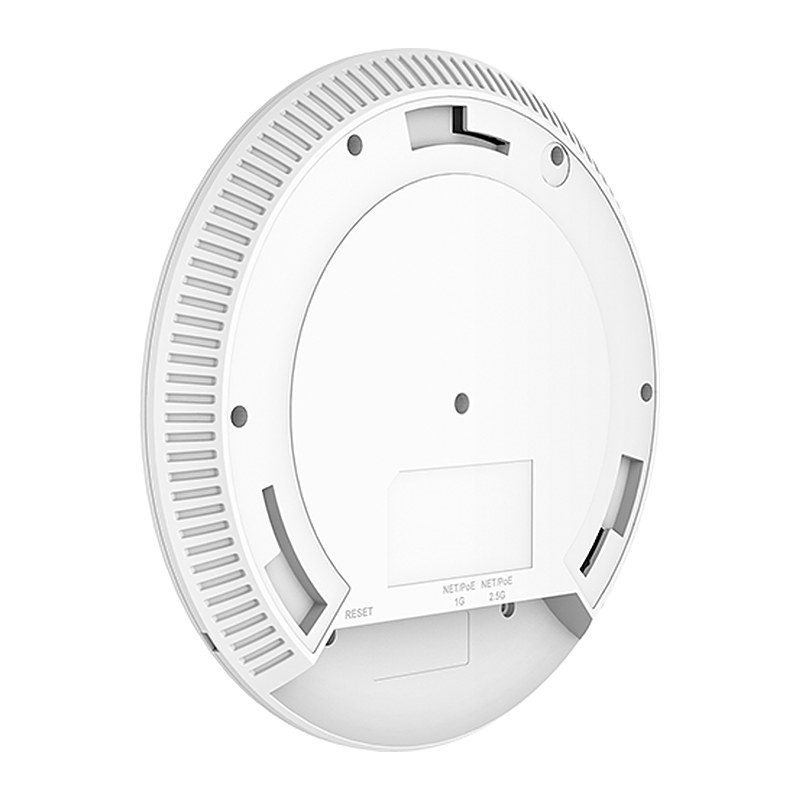
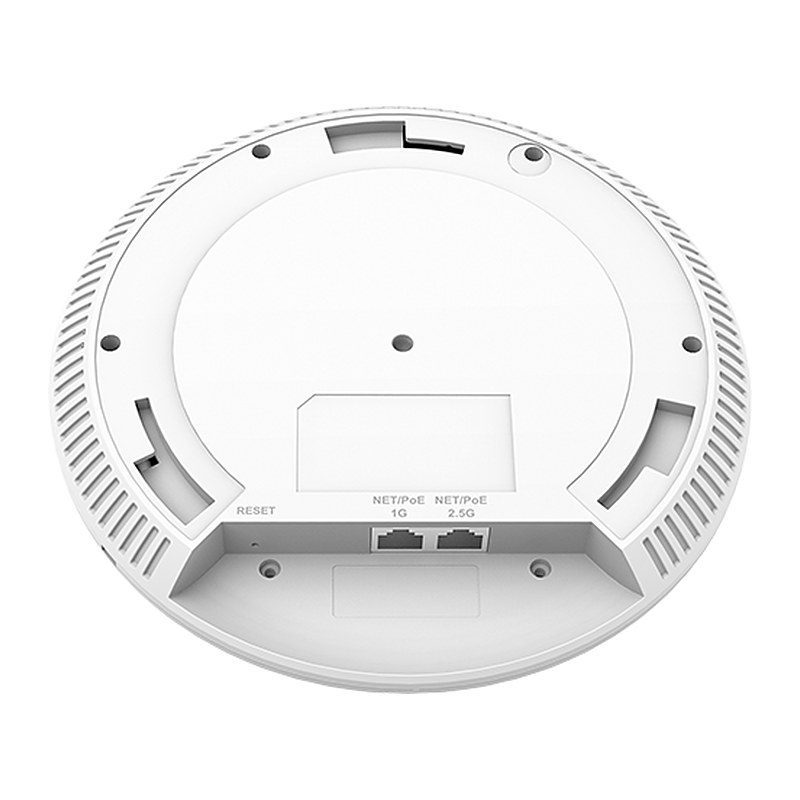
| Network Interfaces | 1x autosensing 10/100/1000 Base-T Ethernet Port; 1x autosensing 10/100/2500 Base-T Ethernet Port |
|---|
| Auxiliary Ports | 1x Reset Pinhole, 1x Kensington lock |
|---|
| Bluetooth | BLE 5.2 |
|---|
| Mounting | Indoor wall mount or ceiling mount, kits included |
|---|
| LEDs | 3 tri-color LEDs for device tracking and status indication |
|---|
| Network Protocols | IPv4, IPv6, 802.1Q, 802.1p, 802.1x, 802.11e/WMM |
|---|
| QoS | 802.11e/WMM, VLAN, TOS |
|---|
| Network Management | Embedded controller can manage up to 50 local GWN APs; GWN.Cloud offers a free cloud management platform for unlimited GWN APs; GWN Manager offers premise-based software controller for up to 3,000 GWN APs |
|---|
| Power and Green Energy Efficiency | PoE 802.3at; Maximum Power Consumption: 22.55W |
|---|
| Environmental | Operation: 0°C to 50°C; Storage: -10°C to 60°C; Humidity: 10% to 95% Non-condensing |
|---|
| Physical | Unit Dimension: 205.3 x 205.3 x 45.9mm; Unit Weight: 765g; Entire Package Dimension: 258 x 247 x 86mm; Entire Package Weight: 1106g |
|---|
| Package Content | GWN7665 Wireless AP, Mounting Kits, Quick Start Guide |
|---|
| Compliance | FCC, CE, RCM, IC, UKCA |
|---|