






A network that works without problems today may stop tomorrow because of an exhausted UPS battery, a dead fan in the rack or a security update that was never installed. An annual maintenance contract turns these surprises into scheduled checks. In this guide the Rasid team explains what a network maintenance contract usually covers and what you should agree on clearly.
1. Preventive visits
- Checking rack temperature, fans, cleanliness and cable management.
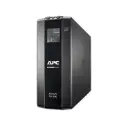
- Checking UPS batteries and testing them by cutting the mains supply.
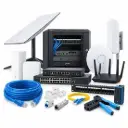
- Reviewing port errors, PoE consumption and link speeds on the switches.
- Checking the router, firewall, internet line and backup connection, if any.
- Checking Wi-Fi access points and coverage in the main areas.
Rack details are covered in our network rack installation guide.
2. Updates and security
The contract usually includes firmware updates for switches, routers and access points once a release is confirmed stable, a review of passwords and accounts with removal of former employees' accounts, and checks that unused ports and services are closed. Known flaws in devices that were never updated are the easiest way in for attackers.
3. Configuration backups
We save a copy of every device's configuration after any change and at every visit, kept in a safe place with a copy for you. When a device fails, replacing it and getting it working again is quick, instead of rebuilding the settings from memory.
4. Monitoring and alerts
Remote monitoring can be added to alert when a device stops, a link fills up or temperature rises, so the problem is known, sometimes before users notice it. The contract defines who receives the alerts and how they are handled.
5. Corrective maintenance and spare parts
When a fault happens, the contract defines how it is reported and how the visit works, whether temporary replacement devices are included, and whether spare parts are covered or charged separately. We recommend keeping spares for critical devices, such as a switch identical to the core switch.
Diagnosing slowness and common faults is covered in our slow network troubleshooting guide.
6. Reports and documentation
After each visit you receive a report of what was checked, findings and recommendations, and the network documentation stays up to date: drawings, port table and the passwords handed to you. The network is yours, and the documentation and passwords should always be in your hands.
7. What is usually outside the contract?
New cabling, office moves, adding devices or expanding the network are usually treated as separate work, as are faults caused by misuse or electrical problems. It is best to state this clearly in the contract to avoid disagreements later.
8. Questions before signing
- Exactly which devices and sites are covered?
- How many preventive visits are included, and what is the checklist for each?
- How do I report a fault, and who follows it up?
- Does the contract also cover cameras and phones? See our CCTV preventive maintenance checklist.
Frequently asked questions
Is a maintenance contract worth it for a small office?
If a network outage stops work, sales or surveillance, it is worth it, because regular checks cost less than an unexpected stop. The scope can be small to match the office.
Who keeps the device passwords?
You are the owner, and all passwords and documentation should be with you. The maintenance team works with dedicated accounts that you can disable at any time.
Need installation or maintenance?
Rasid's team works out of Riyadh and travels for supply, installation, programming and maintenance in Riyadh, Dammam, Khobar, Jeddah and across the Eastern Province, with annual maintenance contracts for businesses and homes. Message us on WhatsApp +966559790746 or request a solution for your project.